
Remodeling your home is an exciting opportunity to improve the way you live, but it can also be a complex process involving numerous decisions, detailed planning, and coordination between different professionals. From developing the initial design to selecting materials and managing construction, every stage plays an important role in the success of your project.
One of the most effective ways to create a smoother remodeling experience is by choosing a design-build remodeling company. This approach brings design, planning, and construction together under one team, helping homeowners navigate the process with greater confidence, clearer communication, and fewer unexpected challenges.
Here's how the design-build process can make a difference in your home remodeling experience.
1. One Team From Design Through Construction
In a traditional remodeling approach, homeowners may work with a designer or architect before hiring a separate contractor to complete the construction. While this approach can work well, it can also create challenges when design ideas, budgets, and construction requirements aren't fully aligned.
With a design-build company, the design and construction teams work together from the beginning. This collaboration helps ensure that everyone understands the project's goals, scope, and expectations.
Having one coordinated team also simplifies communication and provides homeowners with a clear point of contact throughout the remodeling process.
2. Better Budget Planning From the Beginning
One of the biggest concerns homeowners have when remodeling is staying within their budget.
With the design-build approach, construction considerations are incorporated into the design process rather than being addressed only after plans are completed. This allows the team to evaluate how design decisions, materials, and structural changes may affect the overall project cost.
By discussing costs early and making adjustments during the planning phase, homeowners can make more informed decisions and prioritize the features that matter most.
Although unexpected conditions can still arise, thoughtful budgeting and early collaboration can help reduce costly surprises during construction.
3. Fewer Delays and Unexpected Changes
Remodeling projects involve many moving parts, and even small changes can affect the overall schedule.
When design and construction professionals collaborate from the beginning, potential challenges can often be identified before construction starts. Structural requirements, material availability, installation details, and permitting considerations can all be evaluated during the planning process.
This preparation helps minimize last-minute decisions, unnecessary revisions, and delays caused by incomplete information.
A well-organized design-build process creates a clearer path from the initial concept to the finished project.
4. A More Streamlined Decision-Making Process
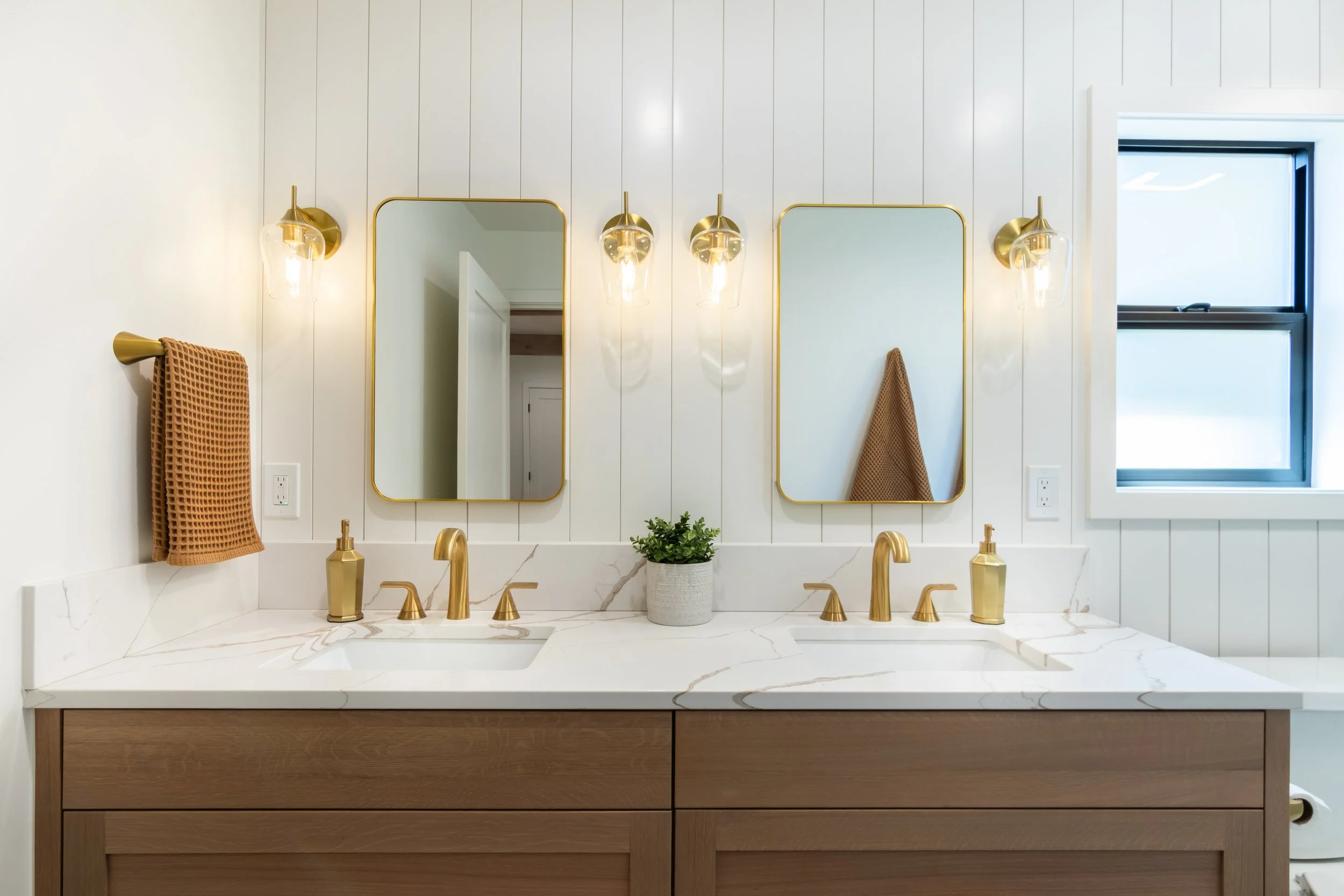
From cabinetry and countertops to flooring, lighting, and plumbing fixtures, remodeling involves countless selections.
Without a structured process, these decisions can quickly become overwhelming.
A design-build team guides homeowners through selections in an organized sequence, helping them understand how individual choices work together and affect the overall design, budget, and construction schedule.
Rather than making decisions independently, homeowners benefit from professional guidance that keeps the project moving forward while maintaining a cohesive design.
5. Improved Communication Throughout the Project
Clear communication is essential to a successful remodel.
When multiple independent professionals are involved, information can sometimes become fragmented, resulting in misunderstandings or conflicting expectations.
The design-build approach encourages ongoing collaboration between designers, project managers, and construction professionals. Everyone works from a shared understanding of the project, making it easier to coordinate details and address questions as they arise.
For homeowners, this means a more organized experience with fewer communication gaps and greater clarity about what to expect at each stage.
6. Greater Attention to Quality and Details
A successful remodel is about more than selecting beautiful finishes. The quality of the finished space depends on how well the design is translated into construction.
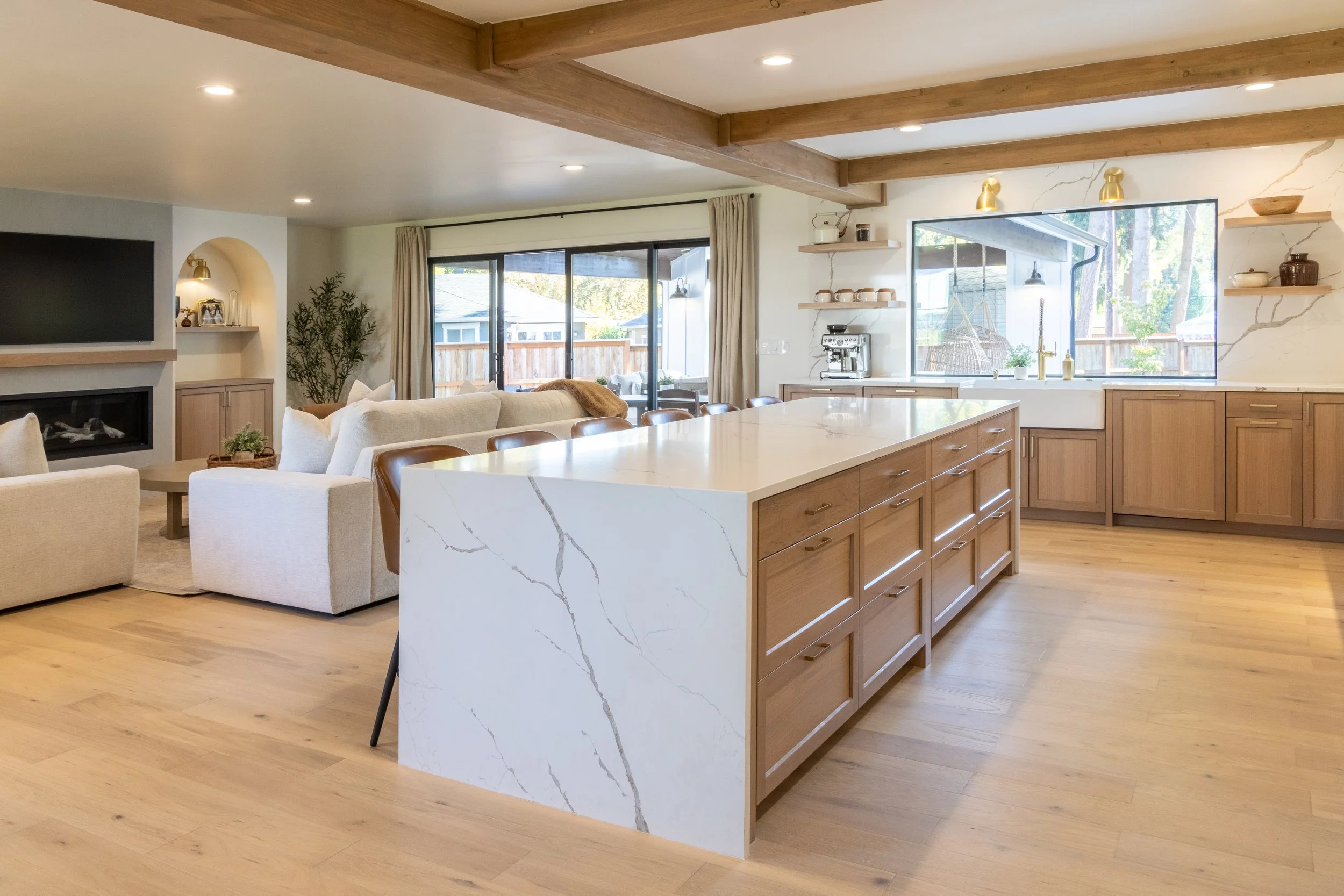
When the design and construction teams work together, important details can be considered early in the process, including cabinetry dimensions, tile layouts, lighting placement, transitions between materials, and custom architectural features.
This collaboration helps ensure that the original design intent carries through to the finished project.
For homeowners investing in a high-quality remodel, this attention to detail can make a significant difference in the final result.
7. A More Predictable Remodeling Experience
While every remodeling project has unique challenges, a well-managed design-build process can help establish realistic expectations before construction begins.
Detailed planning allows the team to develop a clearer project scope, coordinate material orders, evaluate permitting requirements, and establish a construction schedule.
Homeowners gain a better understanding of the steps involved, the decisions they'll need to make, and the factors that may influence the timeline.
Although no remodeling process can eliminate every surprise, having an experienced team overseeing the project from beginning to end can make the experience more manageable.
Is Design-Build the Right Approach for Your Home Remodel?
The design-build approach can be particularly beneficial for projects involving multiple spaces, structural changes, custom features, or extensive renovations. Kitchen remodels, bathroom renovations, home additions, and whole-home transformations often require careful coordination between design and construction.
For Portland homeowners, this coordination can be especially valuable when remodeling older homes, where existing conditions, architectural details, and local permitting requirements may influence the project.
By bringing the entire process together under one team, design-build remodeling provides a more integrated approach to transforming your home.