
12 Reasons a Home Remodel Goes Over Budget
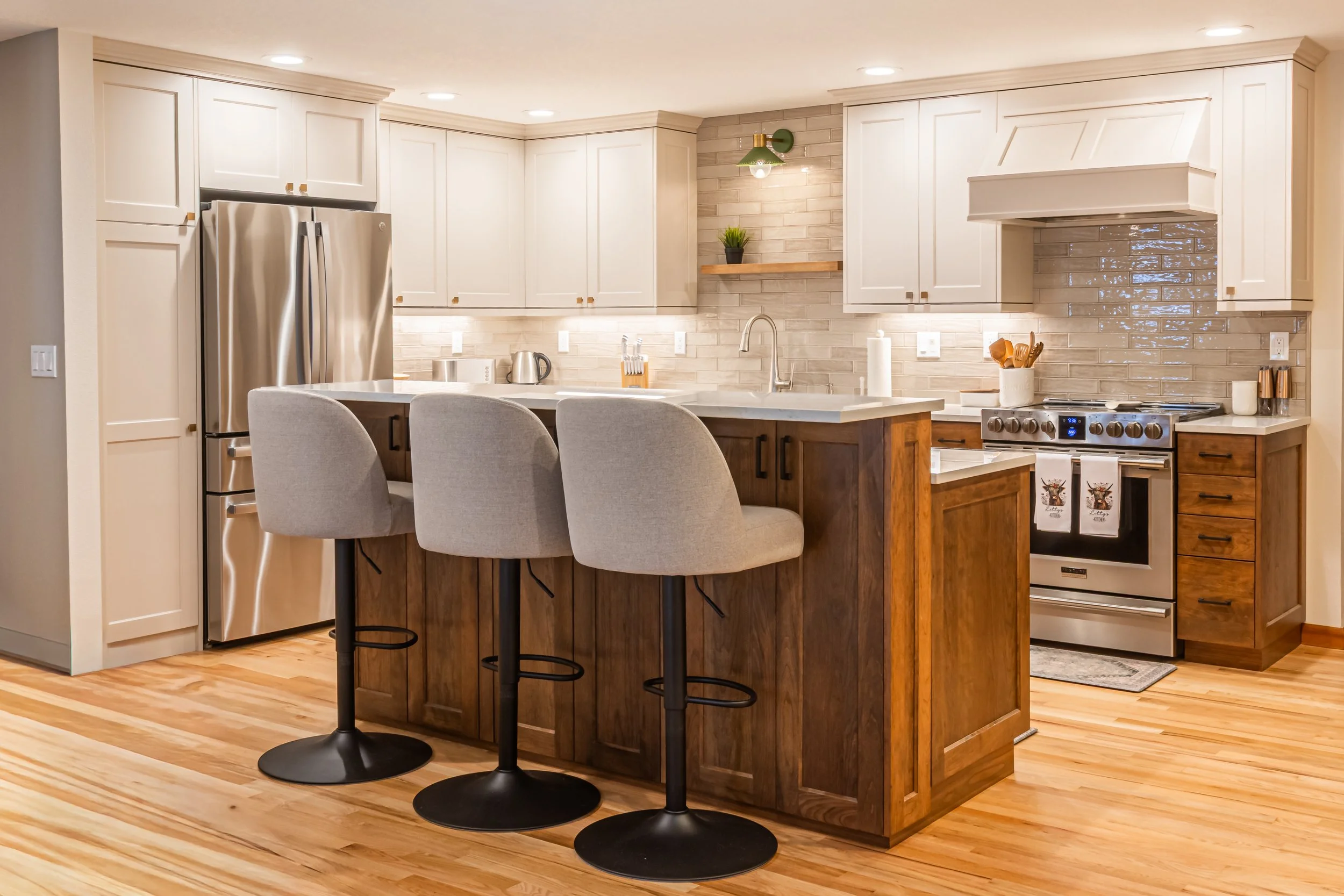
Staying on budget is one of the biggest concerns homeowners have when planning a remodel. While careful planning can reduce surprises, many projects end up costing more than originally expected. Understanding the most common causes of budget overruns can help you prepare, make informed decisions, and keep your renovation on track.
1. Incomplete Planning
One of the biggest reasons projects exceed their budgets is rushing into construction before every detail has been finalized. Changes made after work begins often result in additional labor, material costs, and project delays.
How to avoid it:
Finalize your design before construction starts.
Select finishes, fixtures, and appliances early.
Work with a design-build team that develops detailed plans before demolition begins.
2. Unexpected Structural Issues
Many problems aren't visible until walls, ceilings, or floors are opened up. Older homes, especially, can hide issues such as:
Water damage
Rot
Mold
Foundation problems
Outdated framing
Termite damage
These discoveries often require repairs before new construction can continue.
3. Outdated Plumbing or Electrical Systems
Older homes frequently require upgrades to meet current building codes or support modern appliances.
Common surprises include:
Knob-and-tube wiring
Undersized electrical panels
Galvanized plumbing
Improper previous repairs
Although these upgrades increase costs, they also improve your home's safety and long-term reliability.
4. Changes During Construction
Changing your mind after construction begins can quickly increase costs.
Examples include:
Choosing different cabinetry
Moving walls
Relocating plumbing fixtures
Adding windows
Upgrading flooring
Even small changes can create a ripple effect that impacts labor, scheduling, and materials.
5. Material Upgrades
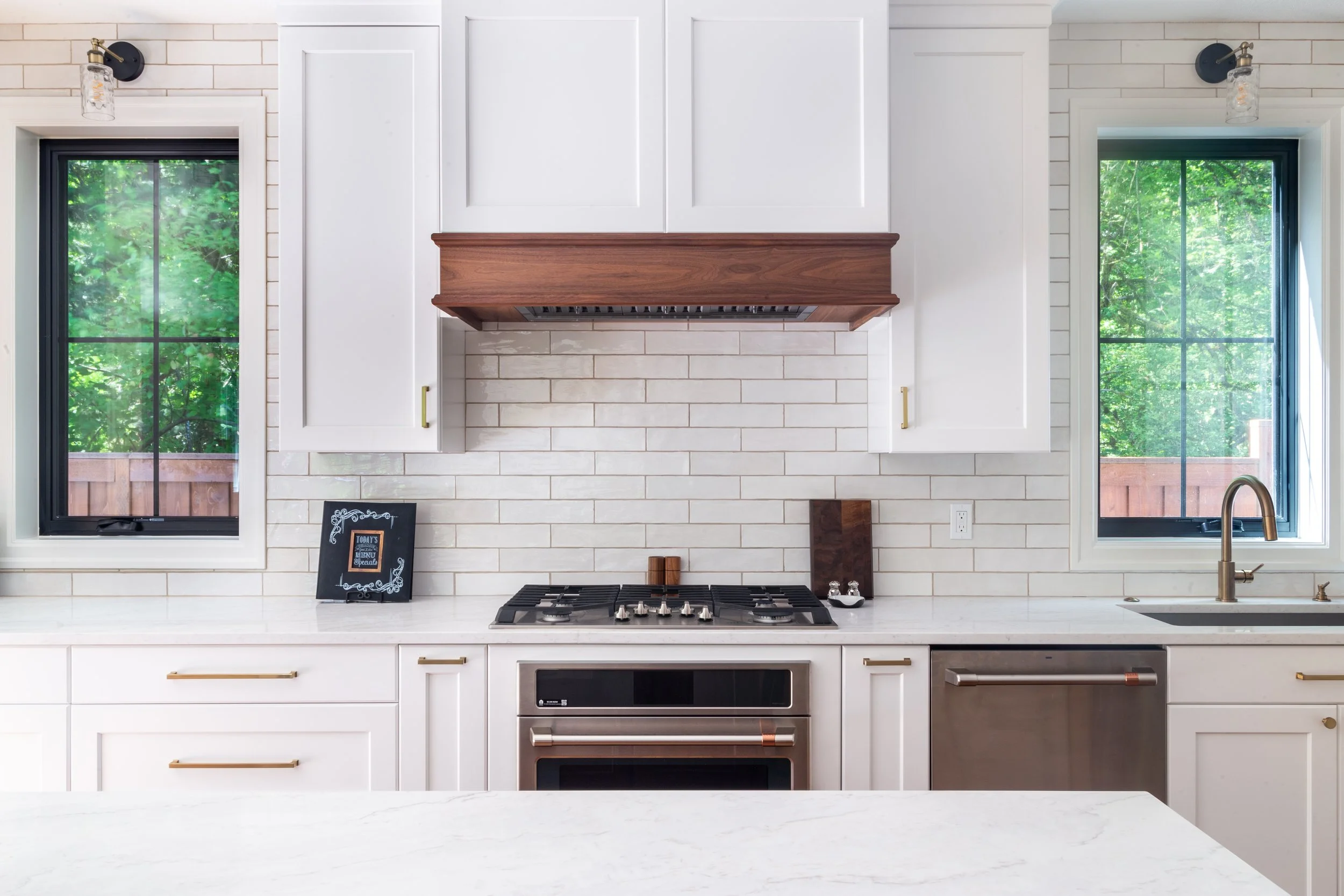
Many homeowners begin with one budget in mind but fall in love with higher-end finishes during the selection process.
Examples include:
Premium countertops
Custom cabinetry
Designer lighting
Luxury tile
High-end appliances
These upgrades can significantly increase the overall project cost if they weren't included in the original estimate.
6. Permit and Code Requirements
Building departments may require upgrades that weren't initially anticipated.
Examples include:
Additional structural engineering
Seismic improvements
Energy-efficiency requirements
Fire and life-safety upgrades
Inspections and permit revisions
Local building codes evolve over time, and remodeling often triggers requirements to bring portions of the home up to current standards.
7. Scope Creep
Scope creep occurs when homeowners continue adding "just one more thing."
Examples include:
Painting adjacent rooms
Replacing flooring throughout the house
Adding built-in shelving
Expanding the project into another bathroom or bedroom
While each addition may seem minor individually, together they can substantially increase the total investment.
8. Inaccurate Initial Estimates
Some estimates appear lower because they exclude important items such as:
Design fees
Permit costs
Demolition
Temporary protection
Finish selections
Contingency allowances
A detailed, transparent proposal helps homeowners understand exactly what is—and isn't—included.
9. Supply Chain and Material Price Increases
Although supply chains have improved in recent years, pricing for lumber, cabinetry, stone, and specialty products can still fluctuate.
Ordering materials early and selecting readily available products can help reduce delays and unexpected price increases.
10. Homeowner-Supplied Products
Many homeowners purchase fixtures or materials themselves to save money. However, problems can arise if products:
Arrive damaged
Are missing parts
Don't meet code requirements
Have incorrect dimensions
Are delayed in shipping
These issues can delay installation and increase labor costs.
11. Hidden Conditions Behind Walls
Even well-maintained homes can conceal problems that aren't visible until demolition begins, including:
Improper framing
Hidden plumbing leaks
Previous DIY repairs
Asbestos or lead-based materials (in older homes)
Inadequate insulation
Experienced contractors typically recommend setting aside a contingency fund specifically for these unknowns.
12. Unrealistic Contingency Planning
Many homeowners budget only for the quoted contract price without accounting for unforeseen expenses.
A good rule of thumb is to reserve:
10–15% for newer homes with fewer unknowns
15–20% (or more) for older homes or extensive renovations
Having a contingency fund reduces stress if unexpected issues arise.
How to Keep Your Remodel on Budget
While no remodel is entirely free of surprises, you can greatly reduce the risk of budget overruns by:
Completing the design before construction begins.
Choosing materials and finishes early.
Hiring an experienced design-build contractor.
Including a realistic contingency allowance.
Limiting changes once construction starts.
Requesting detailed, itemized proposals.
Communicating regularly with your remodeling team.
Final Thoughts
Budget overruns usually aren't caused by a single expensive surprise. They're often the result of multiple small decisions, hidden conditions, and changes that add up over the course of a project. The more thoroughly you plan, and the more transparent your contractor's process is, the more likely your remodel will stay on schedule and within your financial expectations.
A well-planned remodel doesn't just deliver a beautiful finished space. It also provides confidence that your investment is being managed wisely from start to finish.