
Simple Kitchen Design Ideas to Inspire You
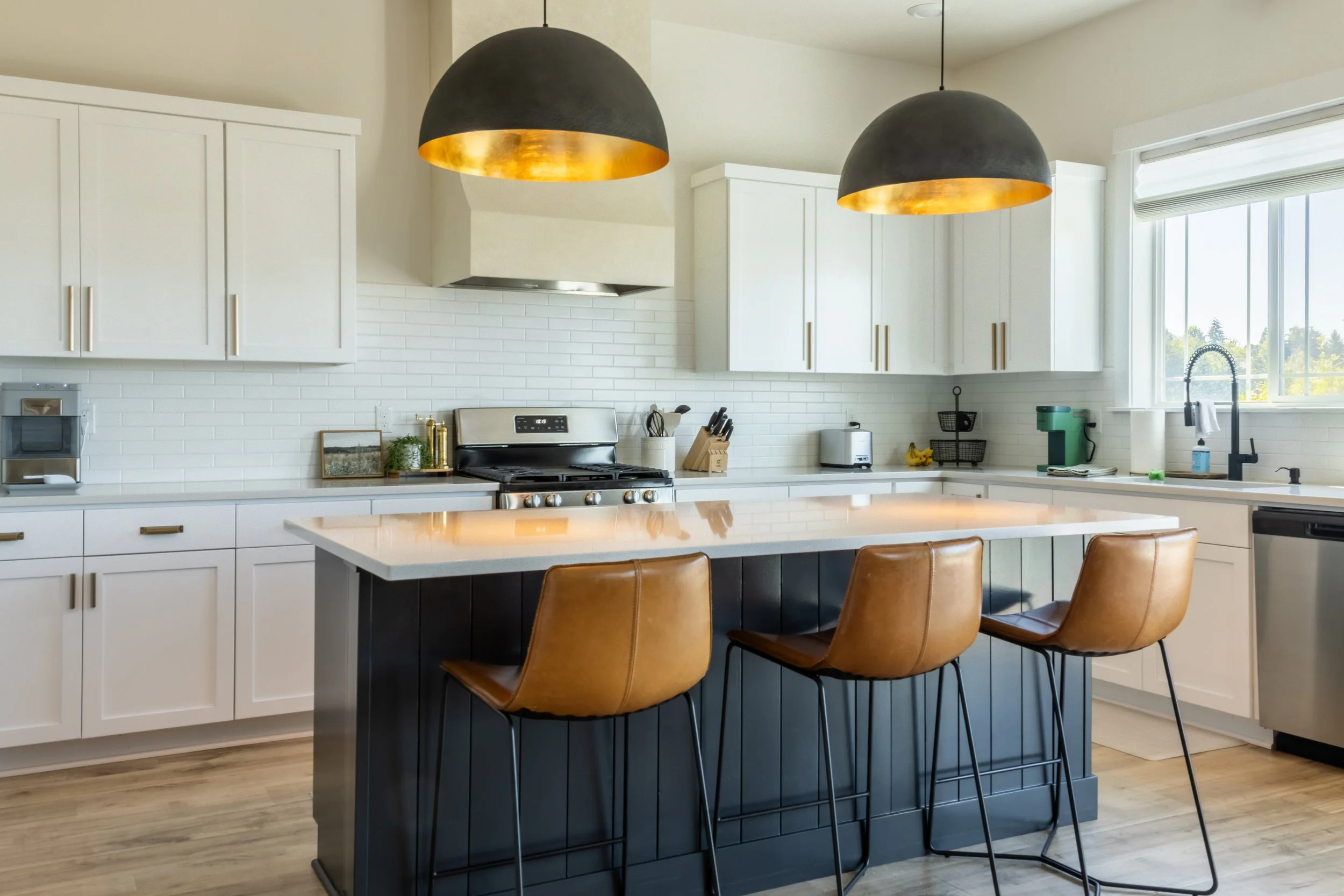
1. Keep the Color Palette Simple
Choose two or three complementary colors for cabinets, countertops, walls, and accents. Neutral tones can create a timeless look while still allowing room for personality.
2. Choose Clean, Simple Cabinetry
Shaker-style or flat-panel cabinets can give a kitchen a streamlined appearance without feeling overly modern or sterile.
3. Add Open Shelving
A few open shelves can make a kitchen feel more spacious while providing an opportunity to display dishes, glassware, cookbooks, or décor.
4. Make the Most of Natural Light
Maximize windows and avoid blocking natural light with bulky cabinetry or heavy window treatments. A bright kitchen often feels larger and more inviting.
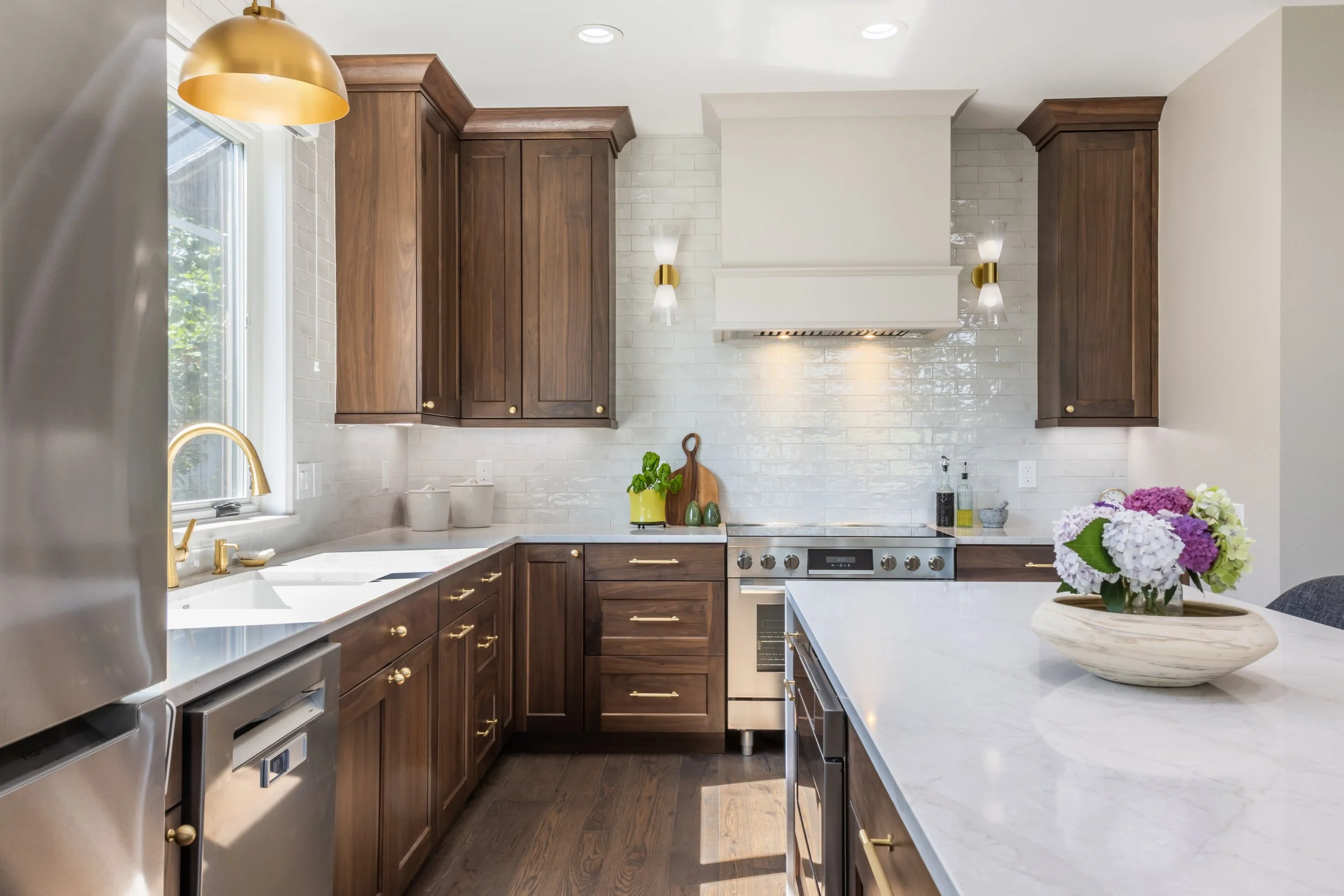
5. Use a Simple Backsplash
A classic subway tile, subtle stone, or minimalist slab backsplash can add texture and interest without overwhelming the space.
6. Focus on Functional Storage
Simple design doesn't mean sacrificing storage. Pull-out drawers, pantry organizers, deep drawers, and built-in storage can help keep countertops clutter-free.
7. Add a Statement Light Fixture
One well-chosen pendant or chandelier above an island can become a focal point while keeping the rest of the design understated.
8. Mix in Natural Materials
Wood, stone, and other natural materials can add warmth and character to a simple kitchen design.
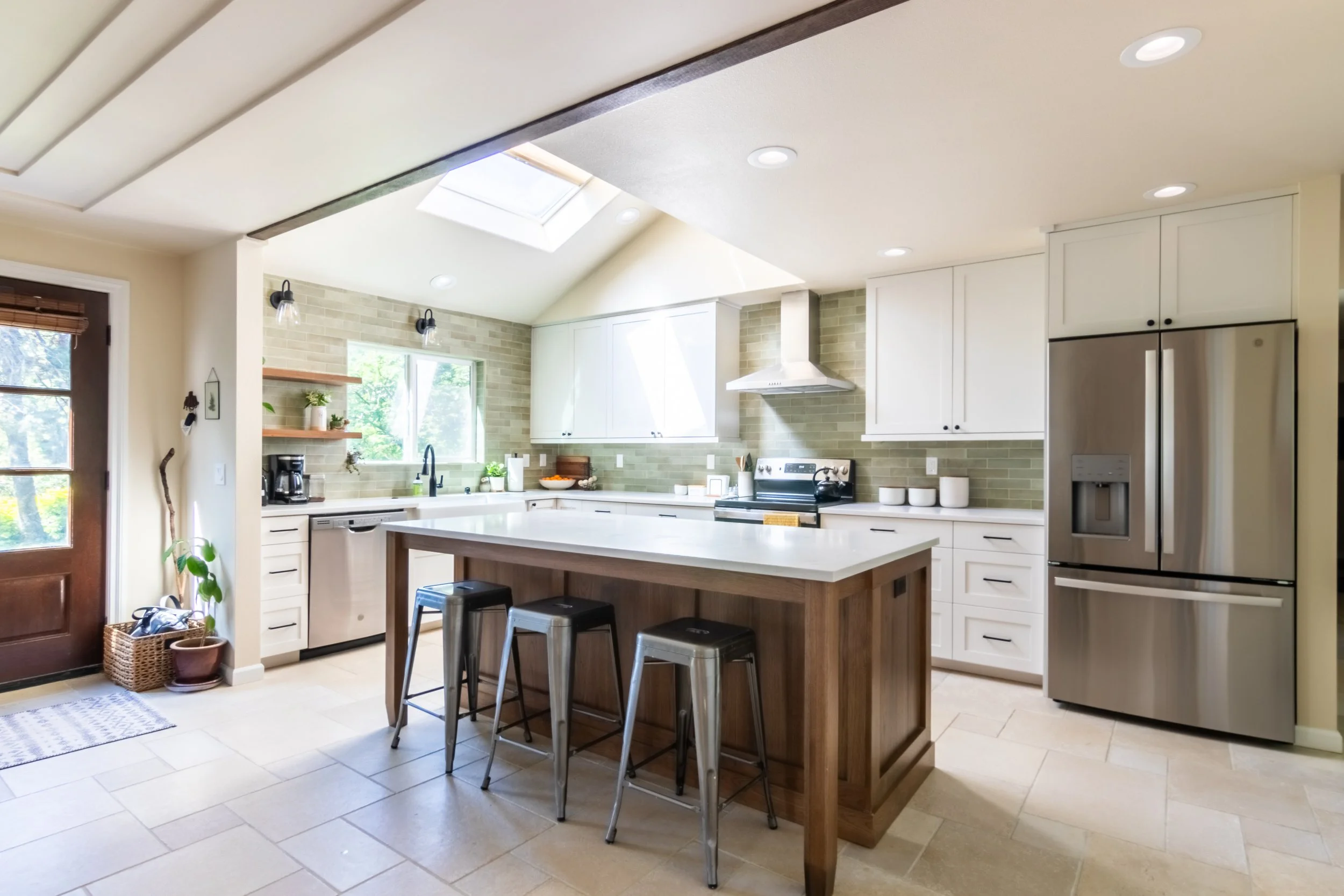
9. Keep Countertops Clutter-Free
A clean countertop instantly makes a kitchen look more polished. Consider which appliances and everyday items really need to remain on display.
10. Add Personality Through Small Details
Hardware, bar stools, faucets, artwork, and décor are easy ways to introduce personality without committing to a complicated design.
11. Choose Timeless Finishes
Rather than following every trend, select finishes you expect to enjoy for years. Simple, classic materials can provide a foundation that allows smaller elements to change over time.
12. Design Around How You Use the Kitchen
The best simple kitchen isn't just attractive—it works for your lifestyle. Think about how you cook, entertain, store food, and move through the space before making design decisions.