
Kitchen Design Trends of 2026
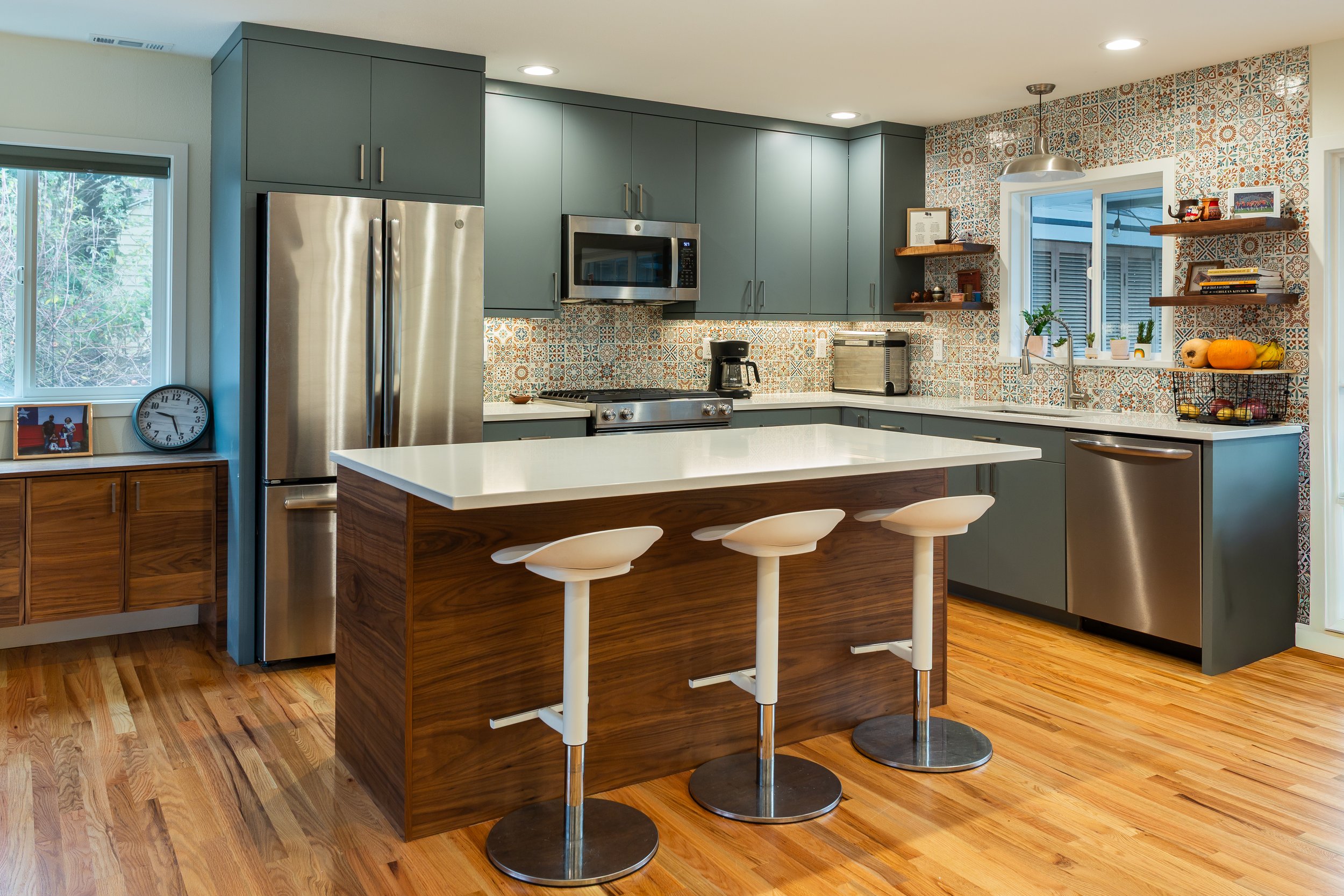
The new year brings fresh kitchen design trends, moving away from all-white kitchens to embrace warm hues. Here’s a comprehensive look at the kitchen design trends expected for 2026:
1. Warm, Nature-Inspired Aesthetics
Design in 2026 moves away from stark minimalism toward warm, earthy palettes and natural materials:
Warm neutrals like taupe, mushroom, sand, and clay create cozy, grounded spaces.
Rich, dramatic hues such as plum, burgundy, aubergine, and forest green are emerging as statement cabinet and accent colors.
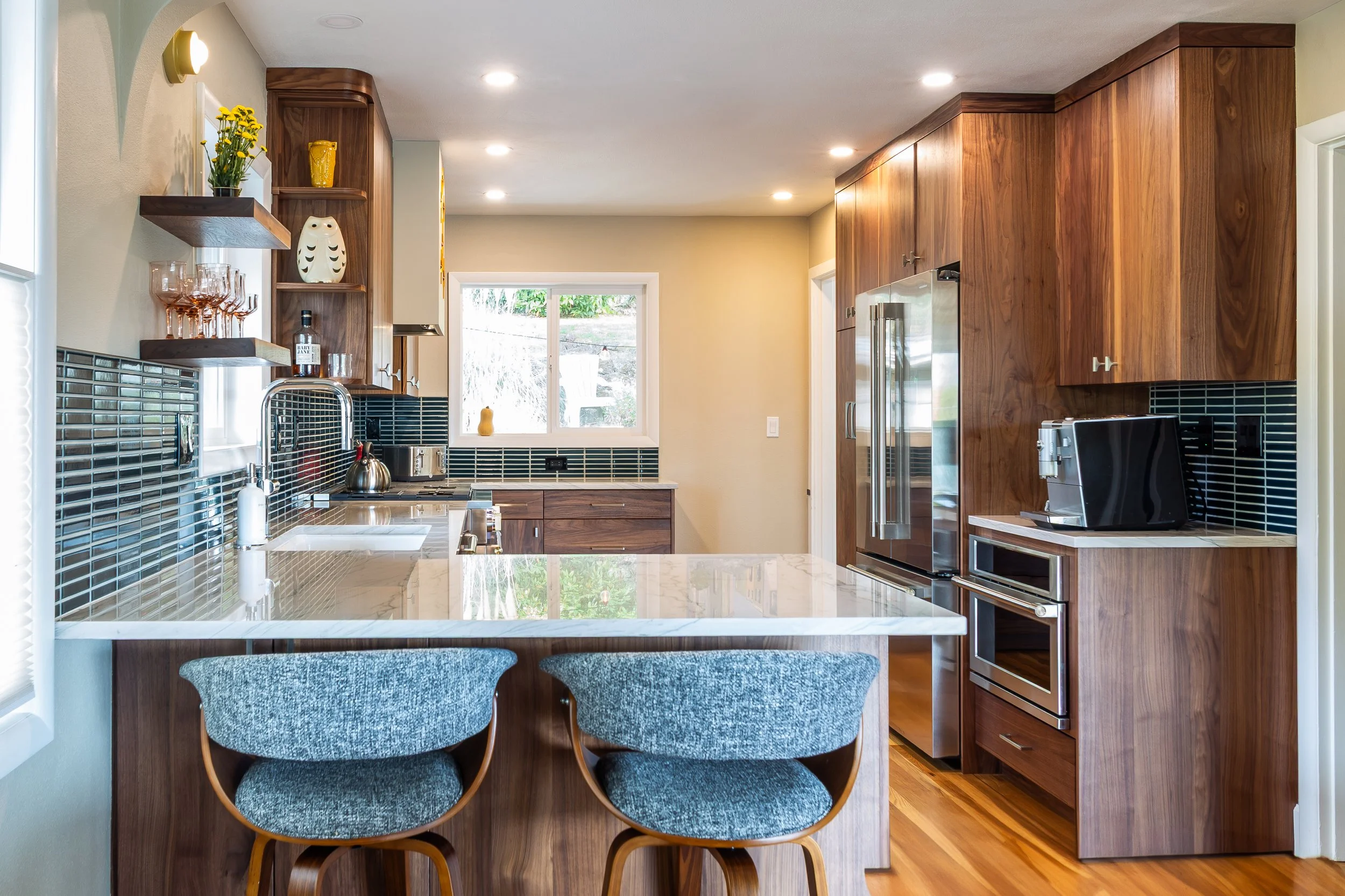
Natural wood cabinetry—especially warm tones and visible grain—is gaining popularity over painted finishes.
Stone materials like quartz, quartzite, and richly veined marble are being used for countertops and backsplashes. n becomes a sensory, inviting space, not just a functional zone. Natural finishes and tactile materials emphasize warmth and permanence.
2. Seamless & Sculptural Forms
Kitchens are embracing smoother lines and continuity in surfaces:
Curved islands and soft geometry bring a more welcoming flow and break away from rigid right angles.
Continuous surface splashbacks extending the countertop material up the wall, creating a sleek, almost monolithic look.
What it means: Functional spaces feel more organic, cohesive, and architectural.
3. Technology That Disappears into Design
Smart features continue to grow but are being integrated in subtle, seamless ways:
Hidden appliances, touchless faucets, flush cooktops, and built-in charging stations keep aesthetics clean.
AI-powered devices and voice/app controls add convenience without cluttering surfaces.
What it means: The kitchen stays visually calm while becoming more functional and future-ready.
4. Functional Layouts and Zoned Spaces
While open-plan kitchens aren’t disappearing entirely, designers are rethinking layouts for more purpose and comfort:
Closed and zoned kitchens help contain mess and create distinct cooking vs. dining spaces.
Multifunctional islands with storage and integrated appliances become central work and social hubs.
What it means: Kitchens that handle more tasks, from entertaining to meal prep, without feeling chaotic.
5. Smart Storage & Organization
Maximizing space and simplicity continues to matter:
Innovative cabinetry like pull-out pantries, adjustable shelving, and hidden storage solutions boost usability.
Panel-faced appliances and slab cabinet fronts maintain a streamlined look.
What it means: Style meets everyday usability, with less clutter and more intelligent design.
6. Texture, Contrast & Mixed Materials
Designers are layering surfaces for interest and depth:
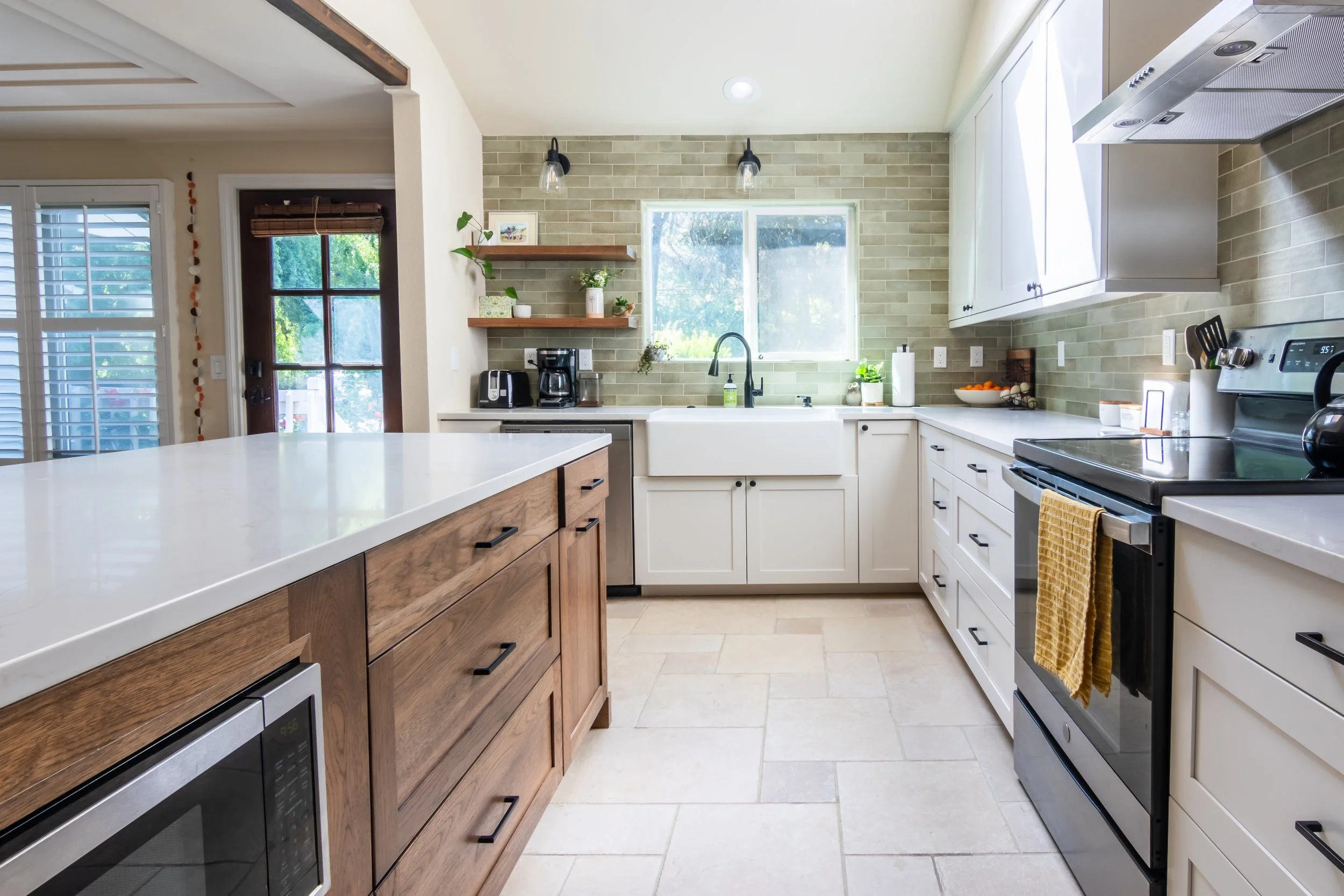
Mixed materials such as wood with metal and stone with textured glass, which add dimension.
Hardware finishes like bronze, chrome, or brushed metals act as subtle accents.
What it means: Kitchens feel bespoke and rich without overwhelming the eye.
7. Minimalism with Personality
Minimal design isn’t disappearing, but it’s evolving:
Warm minimalism blends calm, uncluttered spaces with thoughtful material choices and subtle details.
Timeless styles are prioritized over fast, fleeting trends.
What it means: Kitchens look clean and refined, but with character and longevity.