
Basement Design Trends Transforming Spaces in 2026
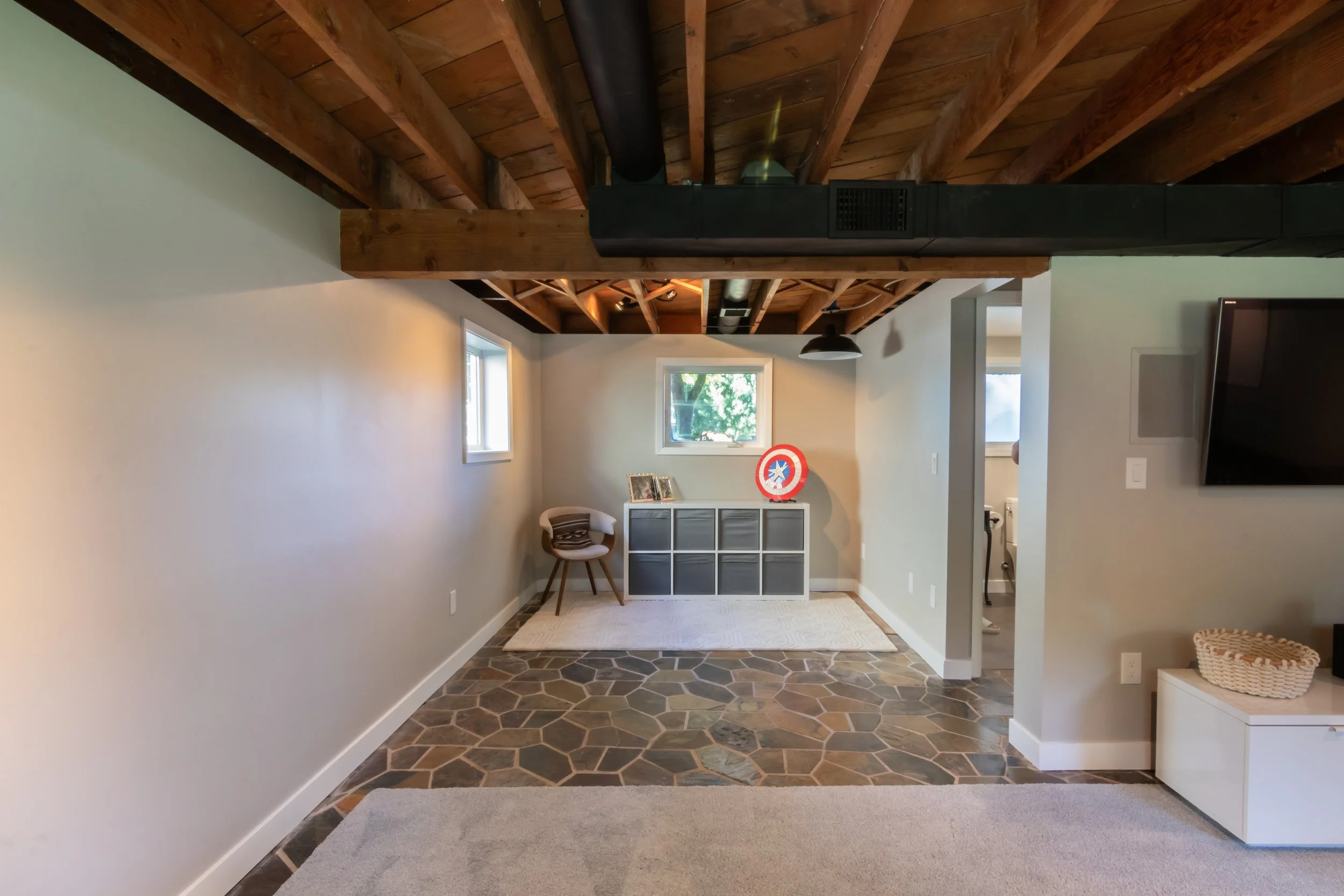
Here’s a look at the innovative design concepts and finishing trends that are redefining basement spaces in 2026.
1. Basements as Multifunctional Lifestyle Spaces
Rather than being storage zones or afterthoughts, basements are being fully integrated into daily living:
Open-concept layouts with flexible zoning (living, dining, work, play) create spacious, usable environments.
Multipurpose designs accommodate hybrid uses such as home offices, gyms, lounges, hobby rooms, and guest suites, all in one space.
This trend reflects a broader shift toward maximizing square footage and aligning with lifestyle needs.
2. Wellness-Focused Basements
Health and relaxation are key drivers of basement renovation choices:
Dedicated wellness zones, including home gyms, yoga/meditation areas, and spa-like bathrooms with heated floors and rainfall showers, are increasingly common.
Compact infrared saunas and mood lighting help basements replicate retreat-style spaces.
These spaces emphasize comfort, self-care, and stress relief right at home.
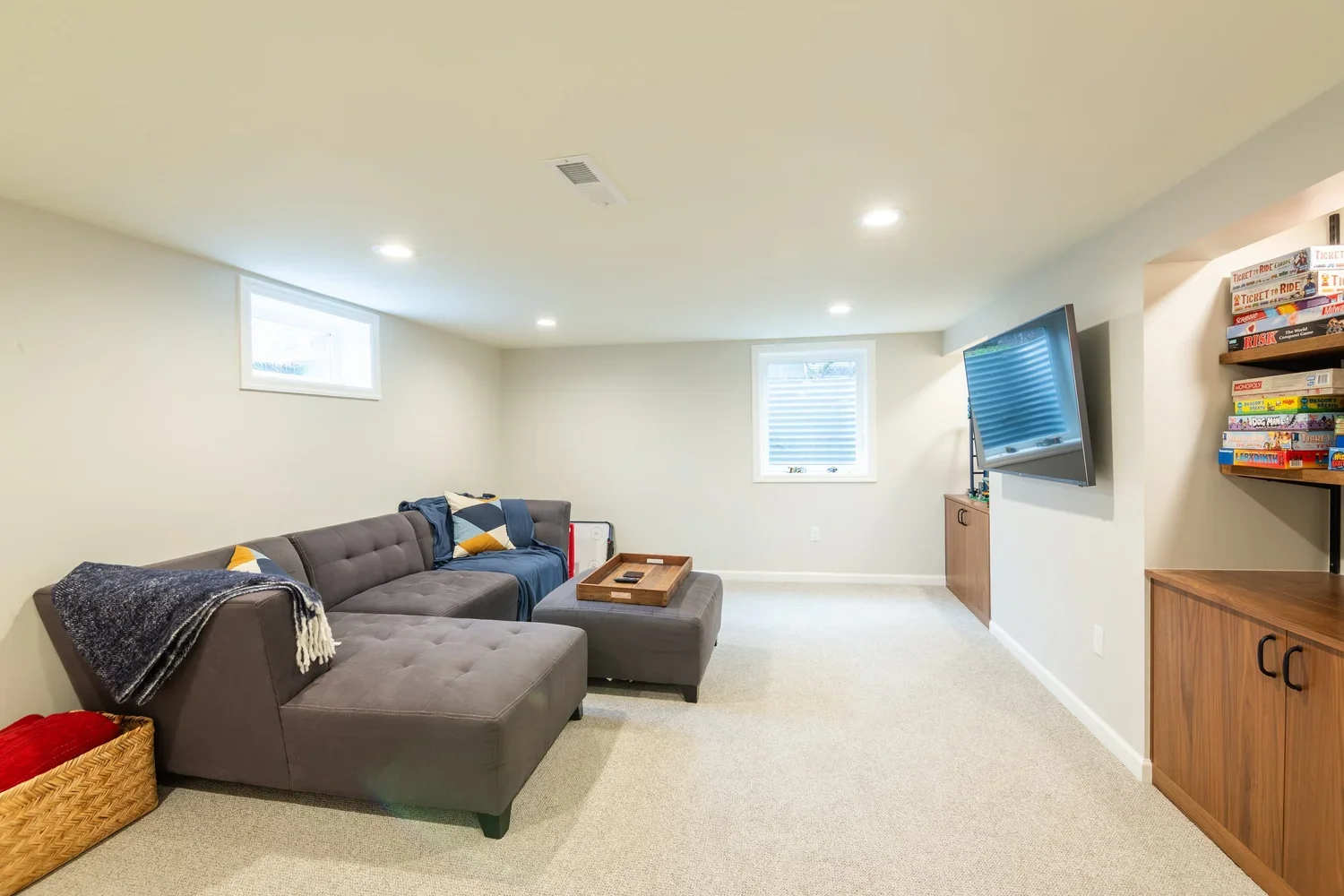
Entertainment + Specialty Rooms
Basements continue to evolve as social and leisure hubs:
Home theaters and media rooms with immersive lighting and audio systems remain popular.
Bars, wine walls, and specialty hobby rooms (crafting, gaming, recording) appeal to personalized interests.
Smart tech integration enhances these entertainment spaces, with conveniences like app-controlled lighting and integrated sound.
4. Design + Aesthetic Trends for 2026
Warm, Earthy Palettes & Textures
Color trends in wider interior design, moving away from sterile minimalism toward rich, tactile palettes, are influencing basement finishes too:
Earthy hues like deep greens, rich browns, and warm neutrals bring coziness to lower-level spaces.
Textured materials such as stone, reclaimed wood, brick, and organic fabric add depth and sensory richness.
Design voices also highlight bold color use and immersive palettes for folks seeking expressive spaces.
Statement Lighting & Layering
Lighting plays a central role in combating the typical dimness of basements:
Layered lighting (LED strips, dimmable recessed lights, pendants) enhances ambiance and versatility.
Refined & Luxury Finishes
High-end touches once reserved for main floors are becoming basement staples:
Custom millwork, upscale wood finishes, and natural stone give these spaces a polished look.
Designer lighting and textured walls elevate style without sacrificing comfort.
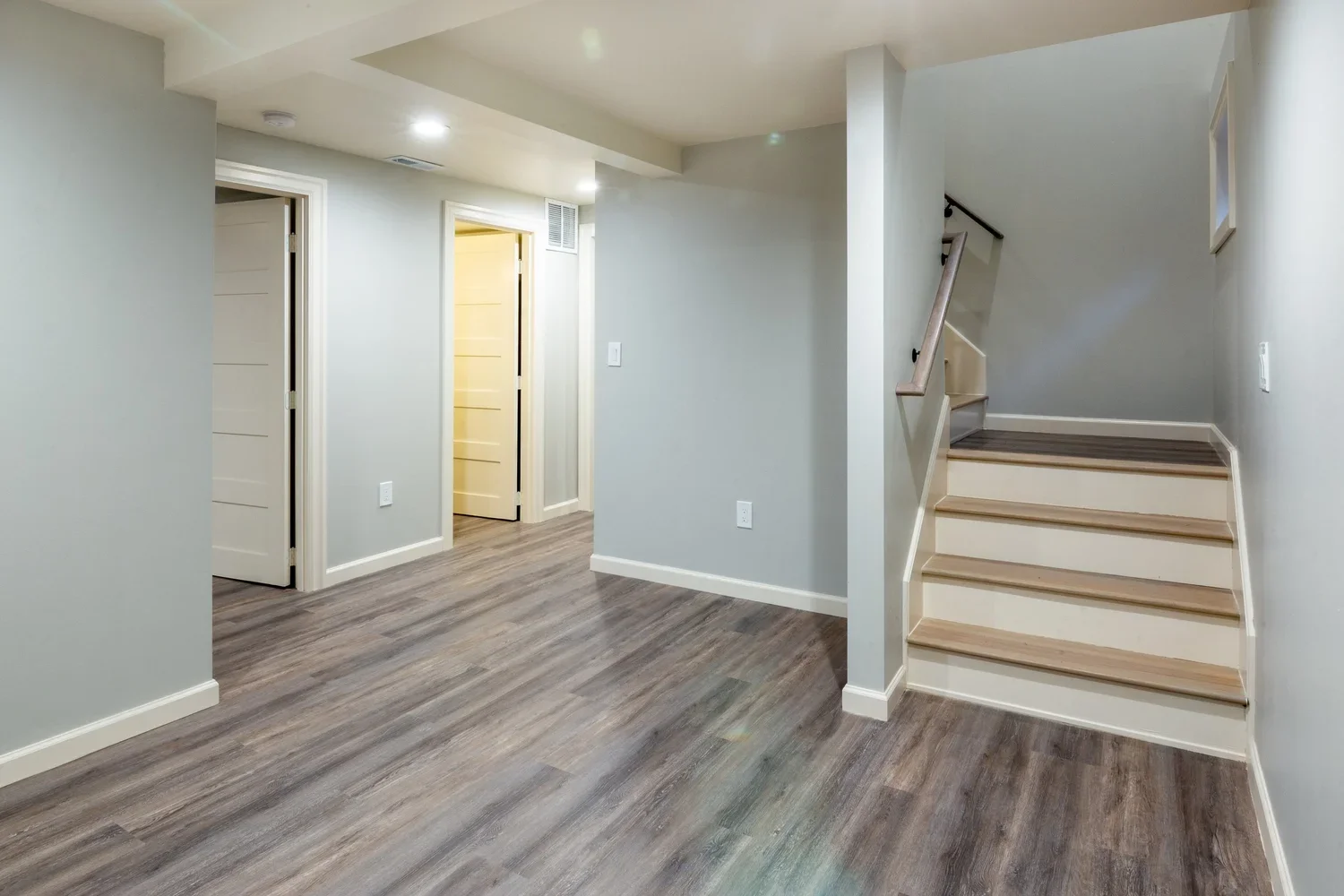
5. Smart + Sustainable Features
Basement design increasingly embraces technology and sustainability:
Smart home integrations such as voice or app-controlled lighting, climate zoning, built-in audio/video, and security systems make basements tech-savvy and functional.
Eco-friendly materials (low-VOC paints, cork or bamboo flooring, energy-efficient lighting) improve indoor environmental quality and appeal to conscious homeowners.
These features not only enhance comfort but also boost resale value.
6. Space Optimization + Practical Upgrades
Functionality remains a priority in basement design:
Hidden storage, built-ins, and clever furniture help reduce clutter and maximize utility.
Flexible partitions or modular solutions let homeowners adapt spaces over time.
This ensures basement areas stay relevant even as household needs evolve.
In 2026, the basement is no longer an ignored storage zone, but a curated, thoughtful part of the home that reflects lifestyle, technology, and interior design innovation.