
What Is a Design-Build Remodeler?
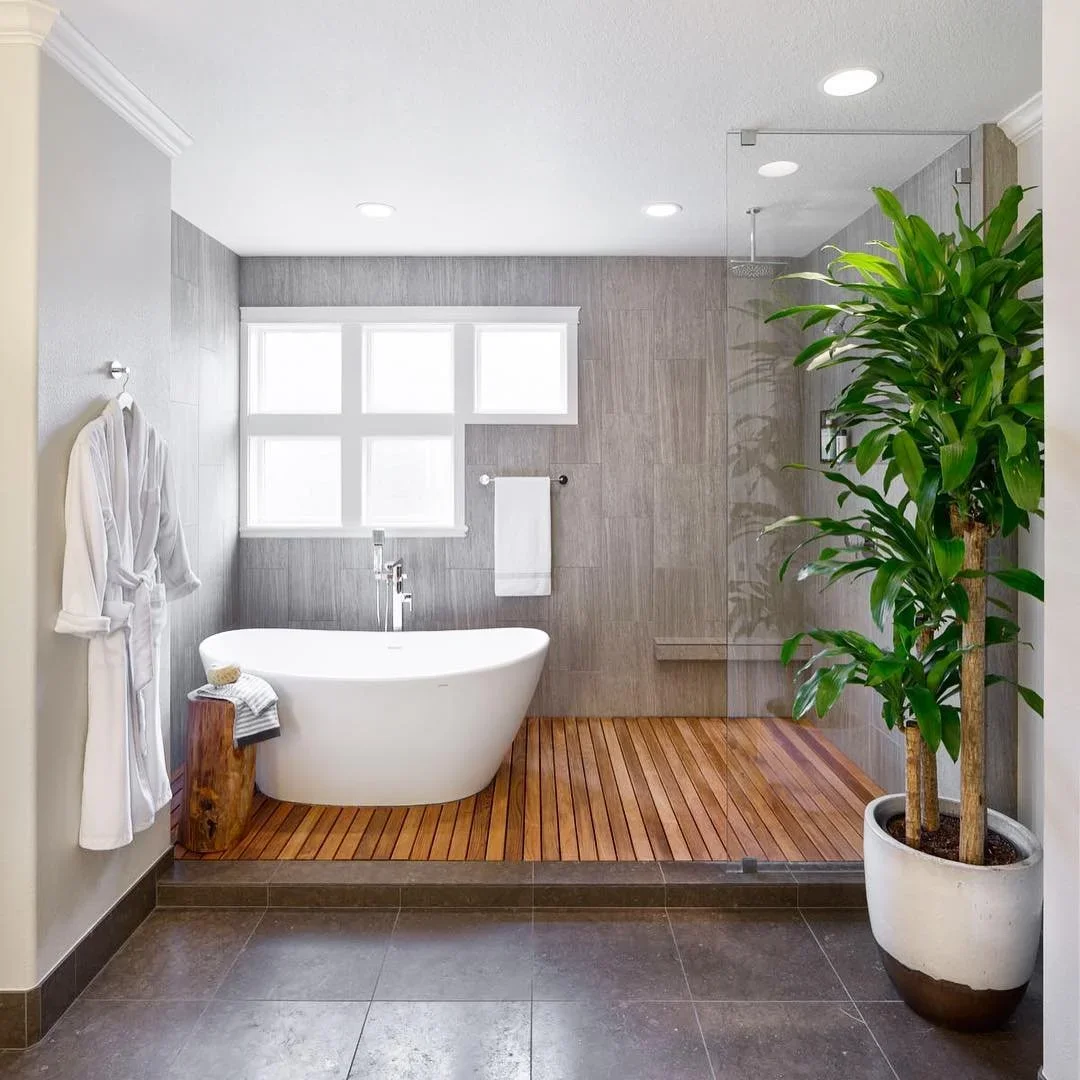
Design-build remodeling is a streamlined approach to home renovation where one company handles both the design and construction phases of a project under a single team and contract. Instead of hiring an architect or designer first, then bidding the plans to contractors, a design-build firm manages the entire process from concept to completion.
How Design-Build Remodeling Works
A design-build remodeler typically provides:
Interior design
Architectural planning
Space planning
Budget development
Permitting
Construction
Project management
Everything is coordinated through one integrated team.
The Typical Design-Build Process
1. Discovery & Consultation
The remodeler learns about:
Your goals
Lifestyle needs
Design preferences
Budget range
This stage often includes:
Home walkthroughs
Feasibility discussions
Initial project ideas
2. Design Phase
The in-house design team develops:
Floor plans
Layout concepts
Material selections
3D renderings
Preliminary pricing
One major advantage: Design decisions are made alongside real construction budgeting. That helps avoid designing something far outside the intended budget.
3. Pre-Construction Planning
Before construction begins, the team coordinates:
Engineering
Permits
Product ordering
Scheduling
Final pricing
Construction logistics
This planning-heavy approach helps reduce surprises later.
4. Construction Phase
The construction team executes the remodel while the design team remains involved.
This allows:
Faster decision-making
Better communication
Cleaner problem solving
Greater design consistency
A project manager usually serves as the homeowner’s main point of contact.
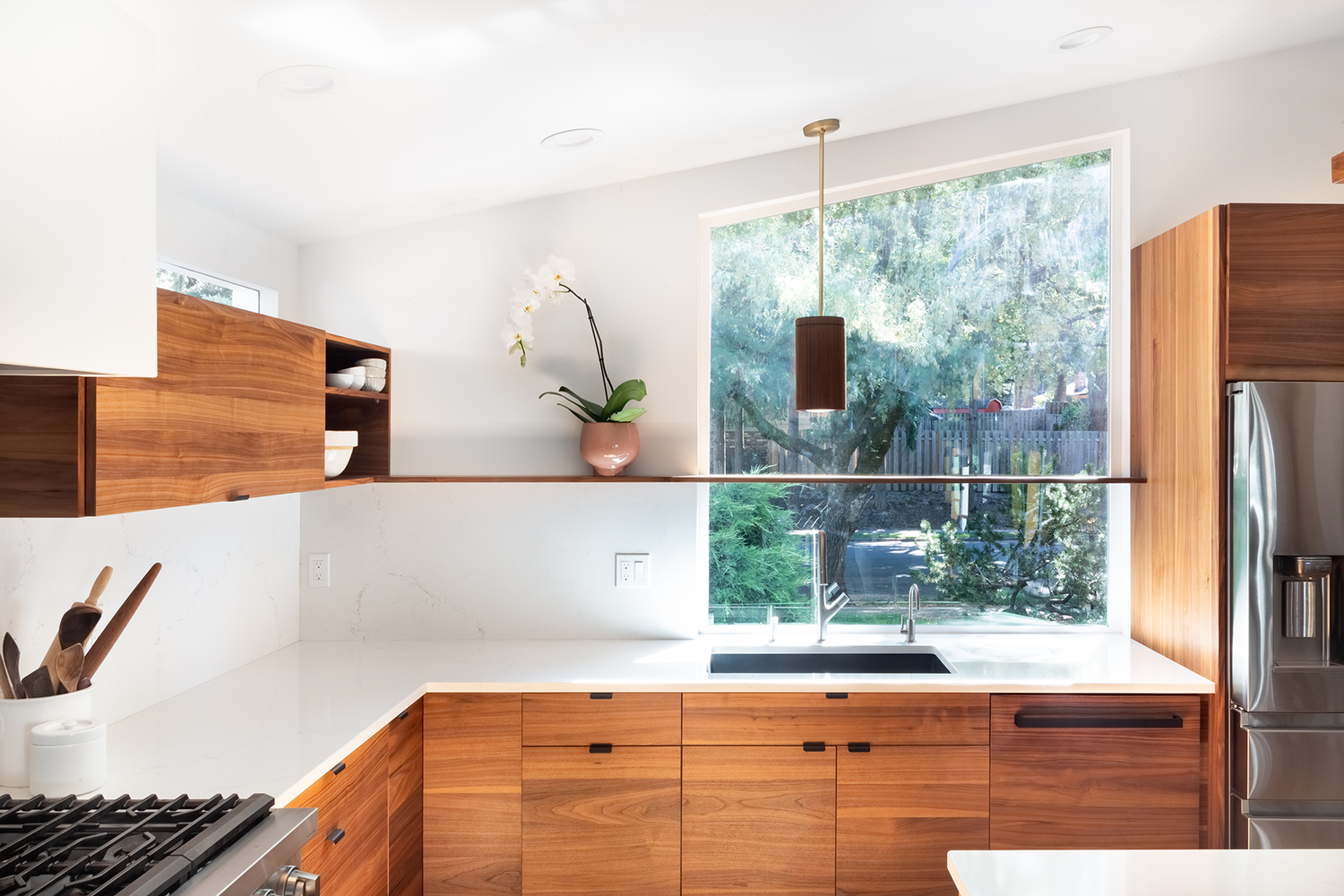
Benefits of Design-Build Remodeling
1. Simpler Communication
You work with one cohesive team instead of managing:
Architect
Contractor
Vendors
Designers separately
This reduces confusion and delays.
2. Better Budget Control
Because builders and designers collaborate early:
Costs are discussed throughout design
Materials can be adjusted proactively
Expensive surprises are minimized
3. Faster Timelines
Design and construction overlap more efficiently.
This can shorten:
Planning time
Permitting delays
Construction scheduling issues
4. Fewer Change Orders
Since construction experts help shape the design:
Structural issues are caught earlier
Buildability improves
Material lead times are anticipated
5. More Cohesive Results
The entire project is designed and executed as one vision.
This often leads to:
Better flow
More consistent finishes
Higher-quality detailing
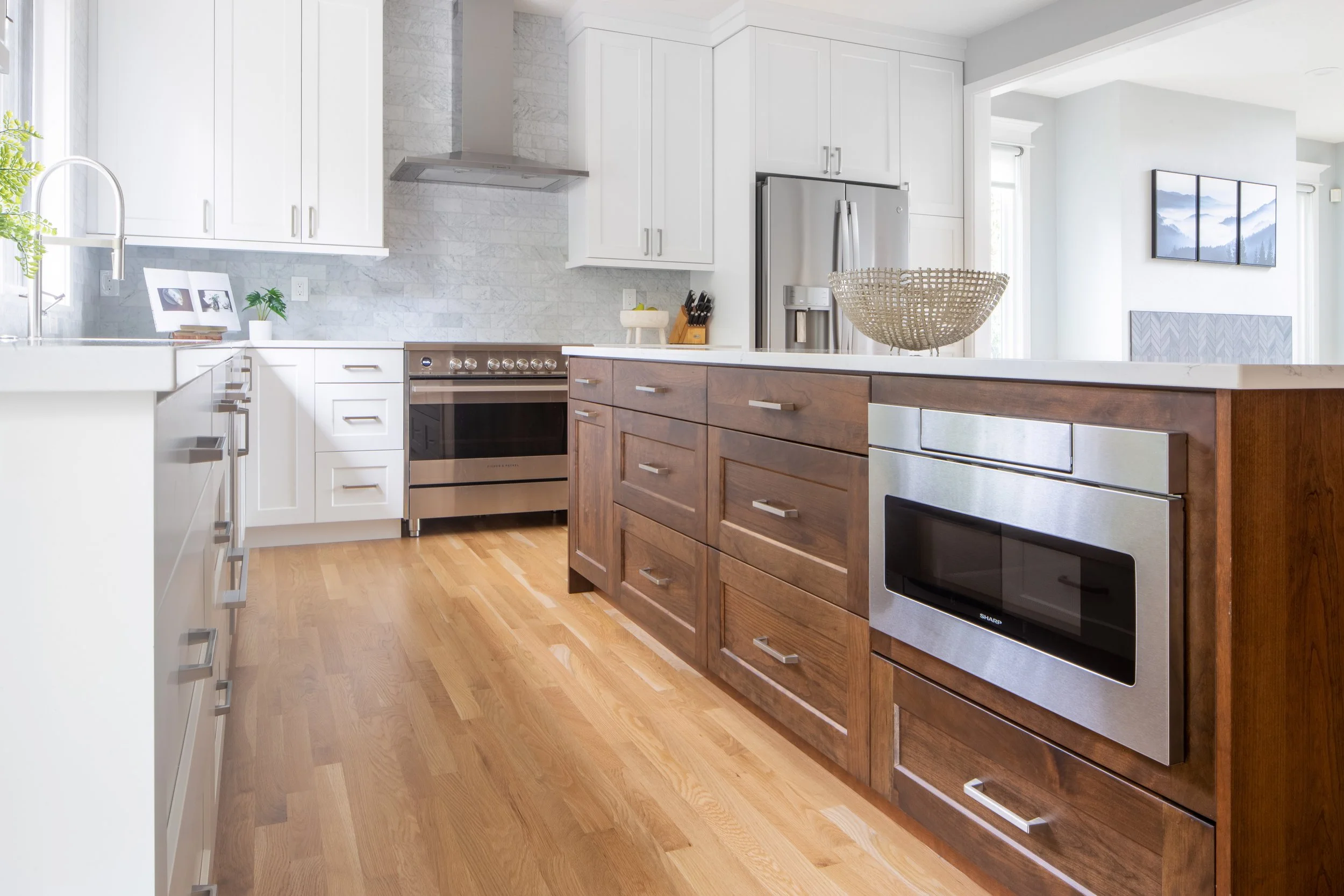
Projects Best Suited for Design-Build
Design-build works especially well for:
Kitchen remodels
Bathroom remodels
Home additions
Whole-home renovations
ADUs
Older home renovations
Complex structural remodels
It’s particularly valuable when projects involve both design complexity + construction complexity.
Why Design-Build Is Popular in Portland
In Portland-area homes, remodeling often includes:
Older houses
Structural upgrades
Energy efficiency improvements
Challenging permitting
Tight lot constraints
The integrated design-build model helps manage these complexities more smoothly.
It’s especially common for:
Craftsman remodels
Mid-century renovations
Modern additions
Indoor-outdoor living upgrades
For many homeowners, especially in complex remodel markets like Portland, design-build remodeling creates a more efficient and less stressful renovation experience.