
7 Common Green Remodeling Upgrades
Green remodeling is the practice of renovating or improving a home using environmentally responsible, energy-efficient, and sustainable materials and methods. Here are some of the most common methods to achieve this:
1. Energy-Efficient Windows & Insulation
One of the biggest priorities in green remodeling is reducing heat loss and improving thermal performance.
Popular upgrades:
Double- or triple-pane windows
Spray foam insulation
Dense-pack cellulose insulation
Air sealing
High-performance exterior doors
In Portland and the Pacific Northwest, insulation and moisture control are especially important because of the wet climate.
2. Energy-Efficient Heating & Cooling
Older HVAC systems waste large amounts of energy.
Green remodels often include:
Heat pumps
Ductless mini-splits
High-efficiency furnaces
Smart thermostats
Radiant floor heating
Heat pumps have become especially popular in Oregon because they:
Reduce energy use
Provide both heating and cooling
Support electrification goals
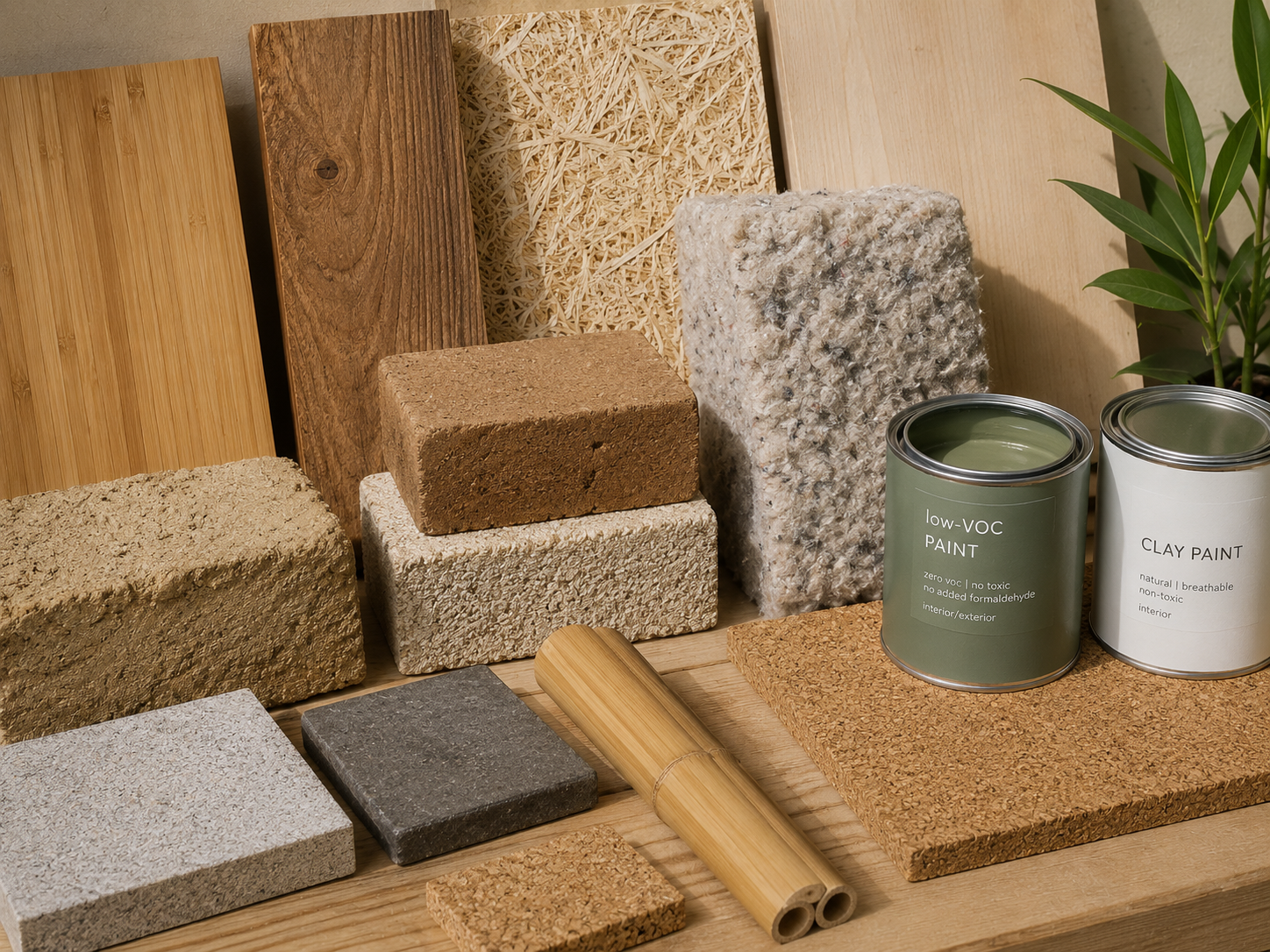
3. Sustainable Building Materials
Green remodeling prioritizes materials that are:
Renewable
Recycled
Low-toxicity
Durable
Responsibly sourced
Examples:
FSC-certified wood
Bamboo flooring
Recycled-content countertops
Reclaimed wood
Recycled metal
Cork flooring
4. Low-VOC Paints & Finishes
Traditional paints and adhesives can release harmful chemicals called VOCs (volatile organic compounds).
Low-VOC products improve:
Indoor air quality
Health
Odor reduction
This is especially valuable for:
Children
Allergy sufferers
People sensitive to chemicals
5. Water Conservation Features
Green remodels often reduce water waste with:
Low-flow faucets
Water-efficient toilets
Smart irrigation systems
Drought-tolerant landscaping
Tankless water heaters
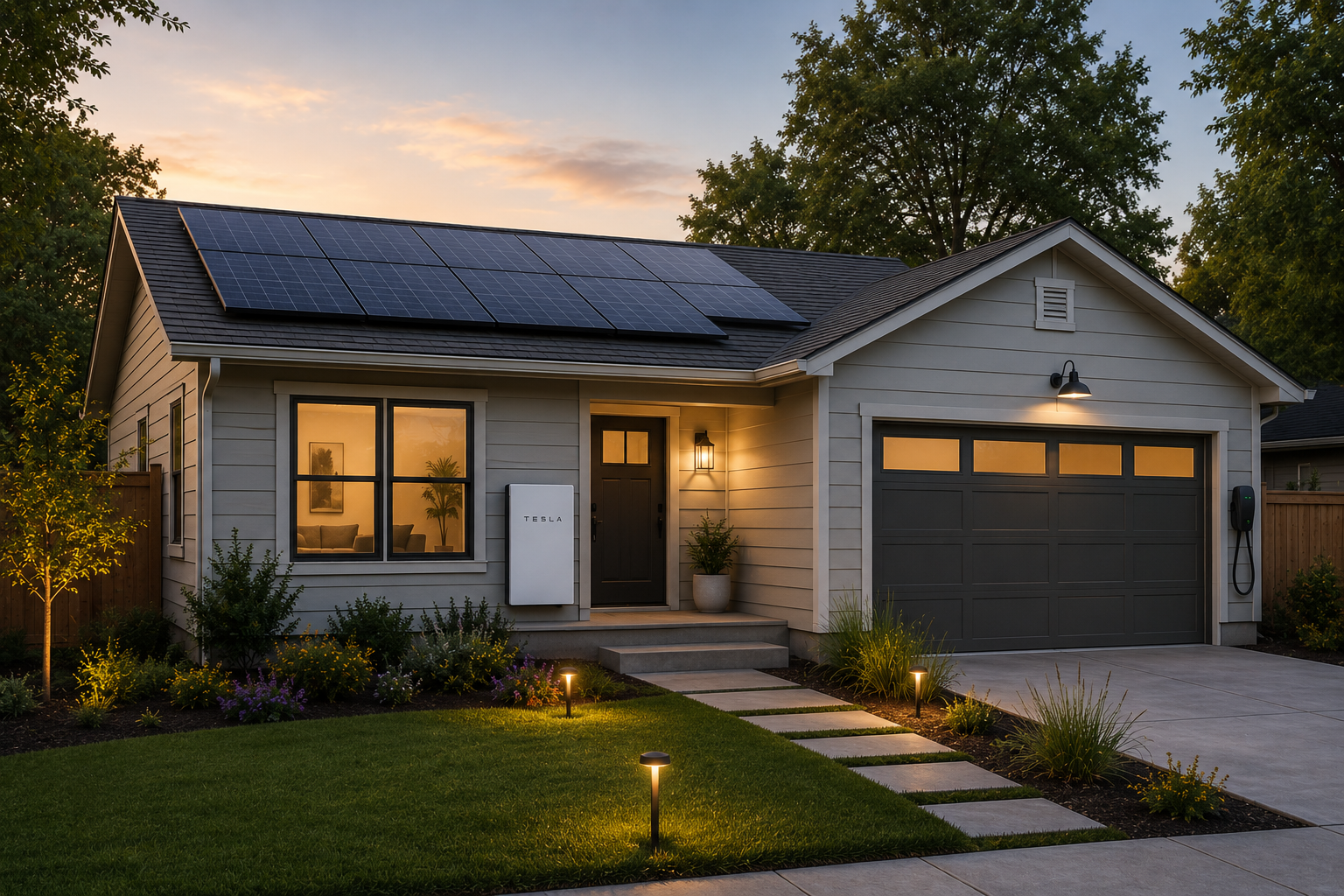
6. Solar + Renewable Energy Integration
Some green remodels include:
Solar panels
Battery backup systems
EV charging stations
Solar-ready roofing
Even if solar isn't installed immediately, remodels may prepare the home for future energy upgrades.
7. Improved Indoor Air Quality
A healthier home environment is a major part of green remodeling.
Common improvements:
Better ventilation systems
HEPA filtration
Moisture management
Mold prevention
Non-toxic materials
This matters especially in tightly sealed energy-efficient homes.
Green remodeling involves redesigning and renovating a home to enhance its health, efficiency, sustainability, and durability. Additionally, green remodeling focuses on long-lasting solutions that reduce maintenance needs and conserve water, contributing to a more resilient and eco-friendly living environment.