
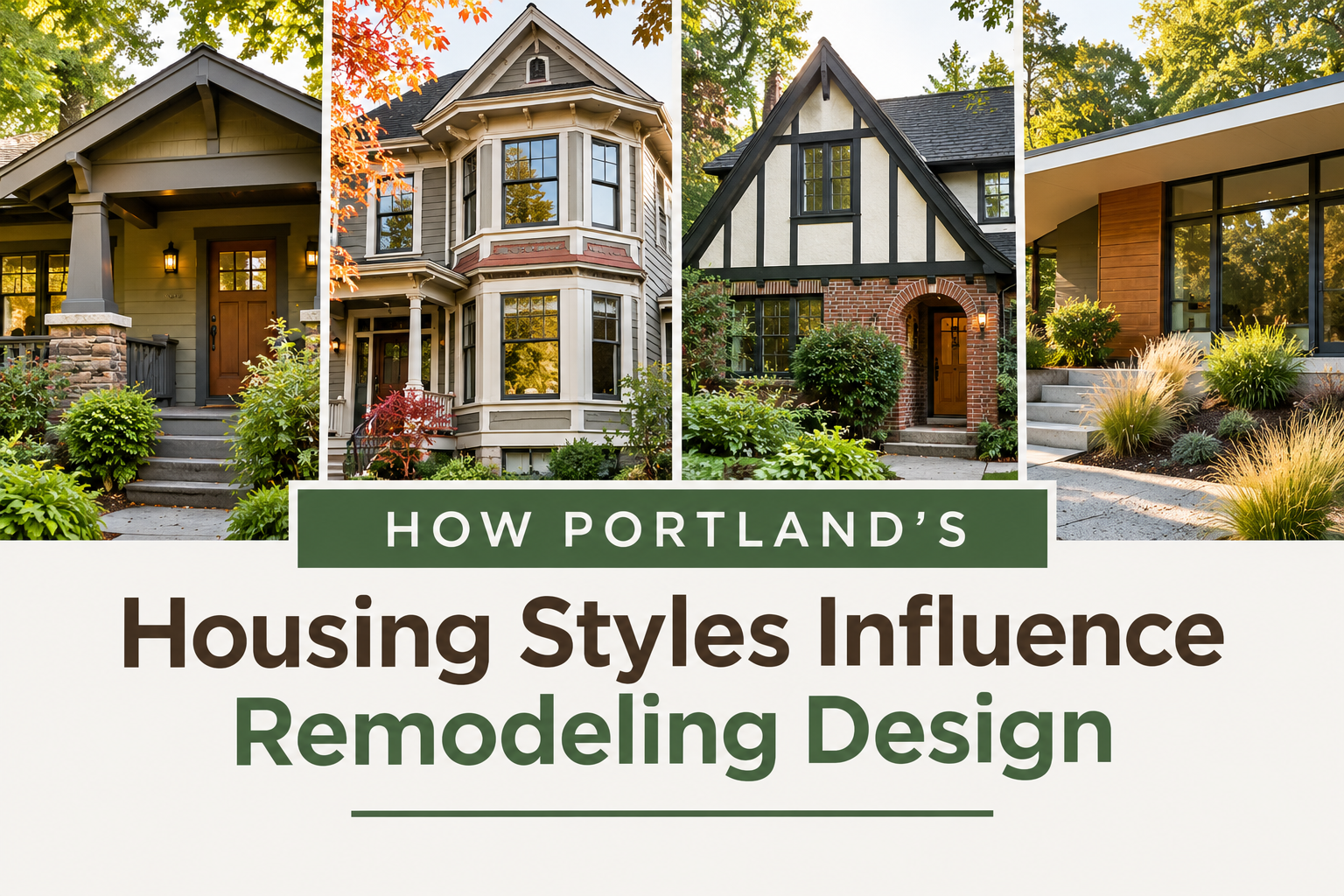
Portland is known for its diverse residential architecture, from charming Craftsman bungalows and historic Foursquare homes to mid-century ranches and contemporary residences. Each architectural style has its own character, layout, and design considerations, which can play an important role when planning a home remodel.
A successful renovation should do more than update an outdated space. It should thoughtfully balance the home's original architecture with modern functionality, creating a design that feels cohesive, comfortable, and appropriate for the property.
Whether you're remodeling a kitchen, updating a bathroom, or planning a whole-home renovation, understanding your home's architectural style can help guide design decisions and preserve the features that make it unique.
1. Craftsman Homes: Preserving Character While Improving Functionality
Craftsman homes are among Portland's most recognizable architectural styles, particularly in established neighborhoods such as Sellwood, Laurelhurst, and Irvington. Known for their welcoming front porches, exposed woodwork, built-in cabinetry, and detailed trim, these homes offer a sense of warmth and craftsmanship.
However, many older Craftsman homes were designed with smaller kitchens, separate living spaces, and limited storage.
Remodeling considerations:
Preserve original architectural details such as wood trim, built-ins, and interior doors whenever practical.
Incorporate cabinetry and finishes that complement the home's traditional craftsmanship.
Improve kitchen layouts and storage without sacrificing character.
Consider opening selected walls or widening doorways to improve circulation while maintaining defined spaces.
Use natural materials, warm wood tones, and classic tile to create a timeless appearance.
The goal is to introduce modern conveniences while respecting the details that give Craftsman homes their distinctive personality.
2. Mid-Century Modern Homes: Embracing Simplicity and Open Spaces
Mid-century modern homes became popular throughout the Portland area during the 1950s and 1960s. These homes often feature clean lines, large windows, low-pitched roofs, and a strong connection between indoor and outdoor living spaces.
Their simple architectural forms provide an excellent foundation for contemporary remodeling.
Remodeling considerations:
Maintain clean lines and uncluttered design elements.
Incorporate flat-panel cabinetry and streamlined hardware.
Use natural wood, stone, and other materials that complement the home's original aesthetic.
Improve connections between kitchens, dining areas, and outdoor spaces.
Maximize natural light while preserving the home's architectural proportions.
Mid-century homes often benefit from thoughtful updates that enhance their original simplicity rather than introducing unnecessary decorative details.
3. Portland Foursquare Homes: Updating Traditional Floor Plans
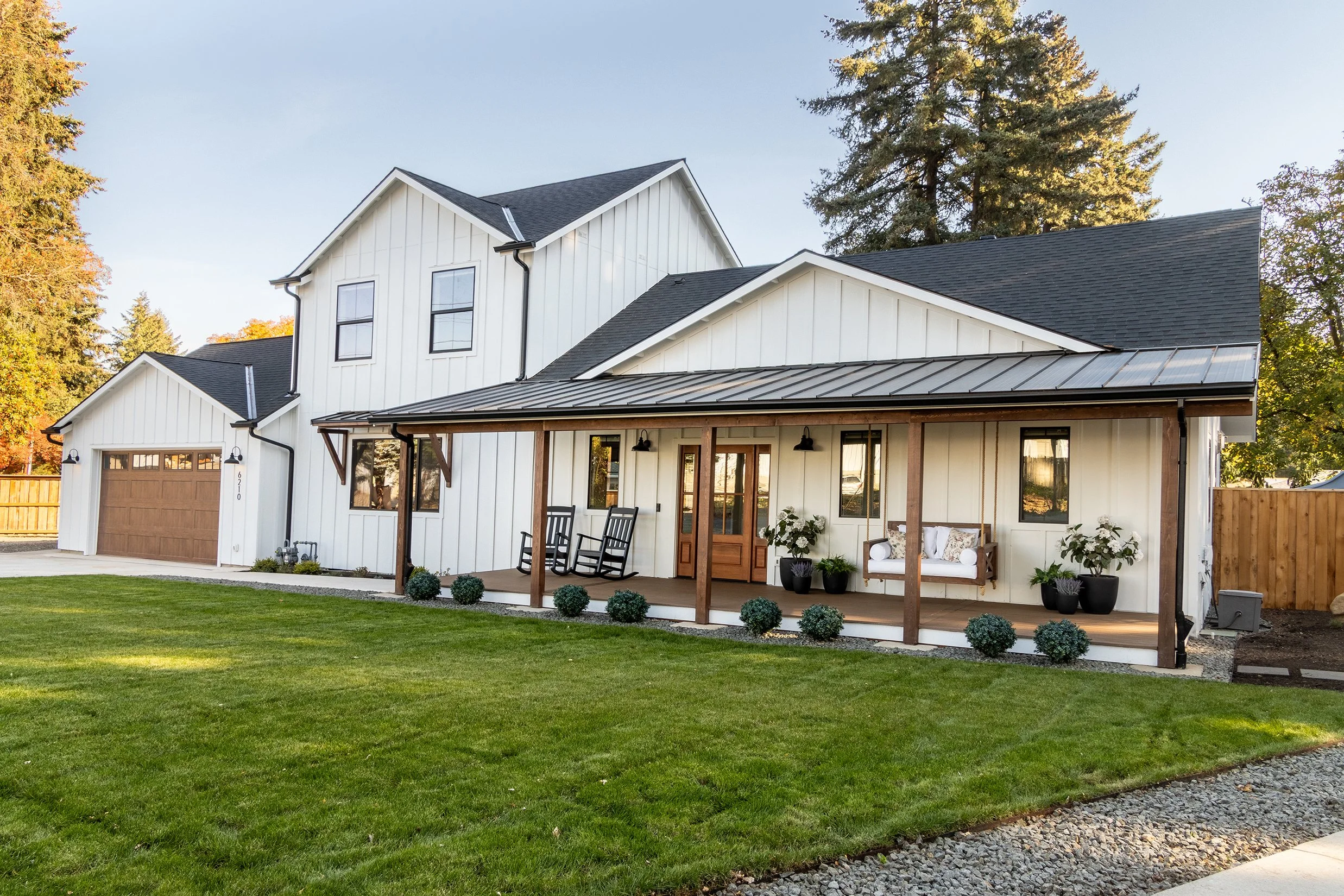
American Foursquare homes are another familiar sight in Portland's older neighborhoods. Recognized for their boxy proportions, spacious front porches, and practical two-story layouts, these homes were designed to make efficient use of their footprint.
Although many Foursquare homes offer generous room sizes, their traditional layouts can feel compartmentalized compared with today's preferences.
Remodeling considerations:
Improve connections between the kitchen, dining room, and living spaces.
Preserve original staircases, trim, and other architectural features.
Update kitchens and bathrooms with finishes that complement the home's traditional style.
Incorporate storage solutions that blend naturally with the existing architecture.
Evaluate opportunities to improve lighting and circulation.
A successful Foursquare remodel respects the home's balanced proportions while adapting its interior for modern living.
5. Tudor and Traditional Homes: Balancing Classic Details With Modern Comfort
Tudor Revival and other traditional homes contribute to the architectural variety found throughout Portland's established neighborhoods. These homes often feature steeply pitched roofs, decorative woodwork, arched doorways, and distinctive interior details.
Their architectural character can be an important consideration when selecting materials, cabinetry, and finishes.
Remodeling considerations:
Preserve distinctive features such as arches, millwork, and original doors.
Choose cabinetry and finishes that complement the home's traditional character.
Introduce modern lighting and fixtures without overwhelming the original design.
Improve kitchen and bathroom functionality while maintaining architectural continuity.
Use carefully selected materials and colors to create a cohesive transition between old and new.
The most successful renovations create a sense of continuity, allowing modern improvements to feel like a natural extension of the original home.
6. Contemporary Homes: Refining Modern Design and Everyday Function
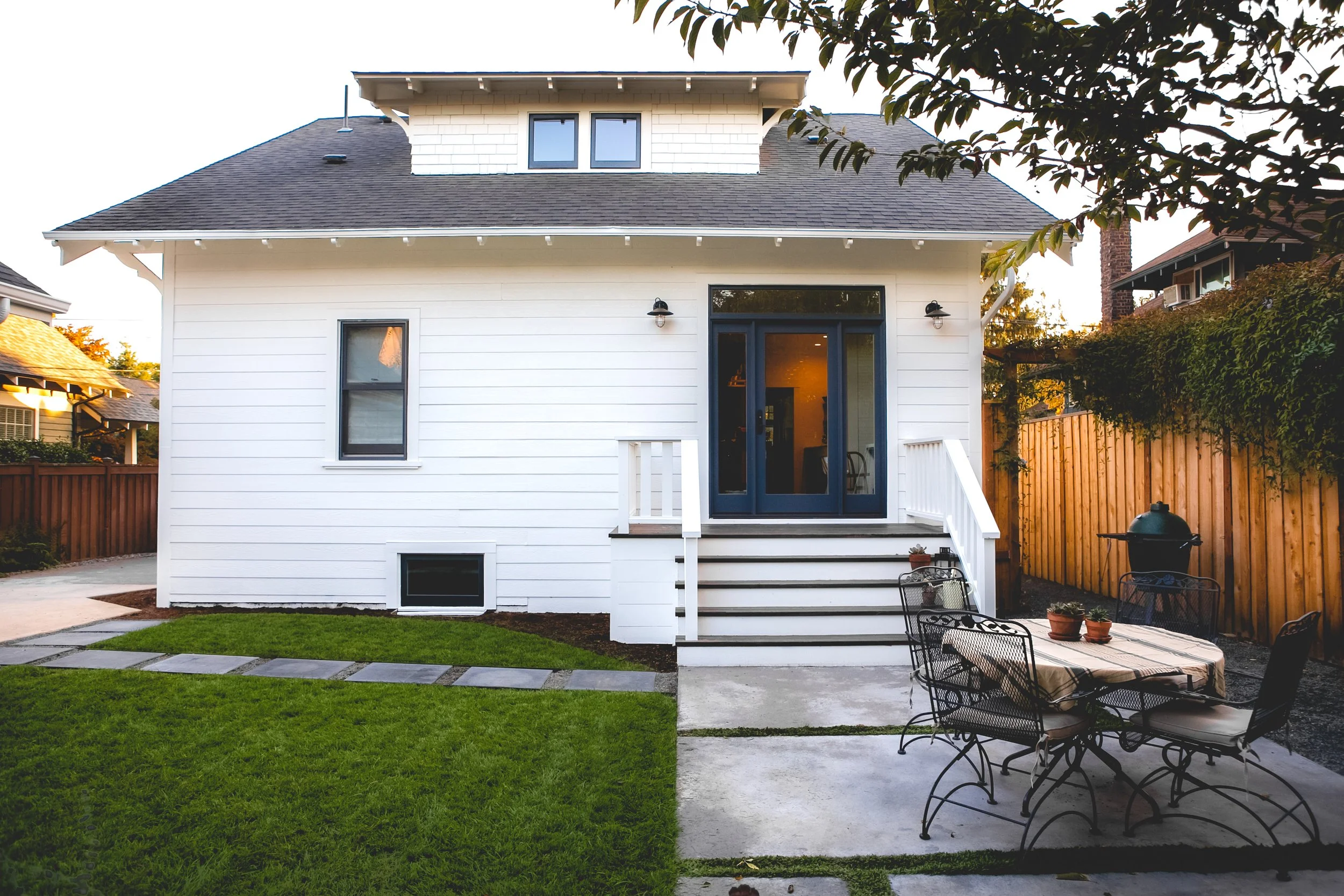
Contemporary homes throughout the Portland area often emphasize open floor plans, expansive windows, simple architectural forms, and modern materials.
While these homes may already have updated layouts, remodeling can improve their functionality, introduce higher-quality finishes, and create a more personalized living environment.
Remodeling considerations:
Incorporate custom cabinetry and integrated storage.
Select durable, high-quality materials with clean finishes.
Use layered lighting to add warmth and visual interest.
Refine kitchen and bathroom layouts for improved everyday use.
Balance minimalist design with natural textures and inviting details.
Contemporary remodeling is often about refining the details, creating spaces that feel both sophisticated and comfortable.
Why Architectural Style Matters When Remodeling
Regardless of your home's age or style, its original architecture should be considered when developing a remodeling plan.
Introducing design elements that don't relate to the existing structure can make a renovation feel disconnected. On the other hand, carefully balancing traditional features with modern improvements can create a more cohesive and timeless result.
This doesn't mean every new finish needs to match the original construction. A modern kitchen can work beautifully in a historic home when proportions, materials, colors, and architectural transitions are thoughtfully considered.
The key is understanding which elements are worth preserving and where changes can improve the way the home functions.
Remodeling Older Homes in Portland: Additional Considerations
Many of Portland's older homes have undergone multiple renovations over the years. Before beginning a major remodel, it's important to evaluate existing conditions and determine how proposed changes may affect the structure.
Older homes may require updates to electrical systems, plumbing, insulation, ventilation, or structural components. Some properties may also be subject to historic resource protections or additional permitting requirements.
Addressing these considerations early in the design process helps homeowners develop a more realistic project scope and budget.
Creating a Home That Honors Its Character and Fits Your Lifestyle
Every home has its own architectural identity, but it should also reflect the people who live in it.
Whether you're preserving the craftsmanship of a historic bungalow, opening up a mid-century floor plan, or refining a contemporary kitchen, the most successful remodeling projects bring together thoughtful design, quality materials, and careful attention to detail.
Working with an experienced Portland design-build remodeling company can help you identify opportunities to improve functionality while respecting the architectural character of your home.
The result is a thoughtfully remodeled space that feels connected to the original house while supporting the way you live today.