
What Portland Homeowners Should Know Before Remodeling
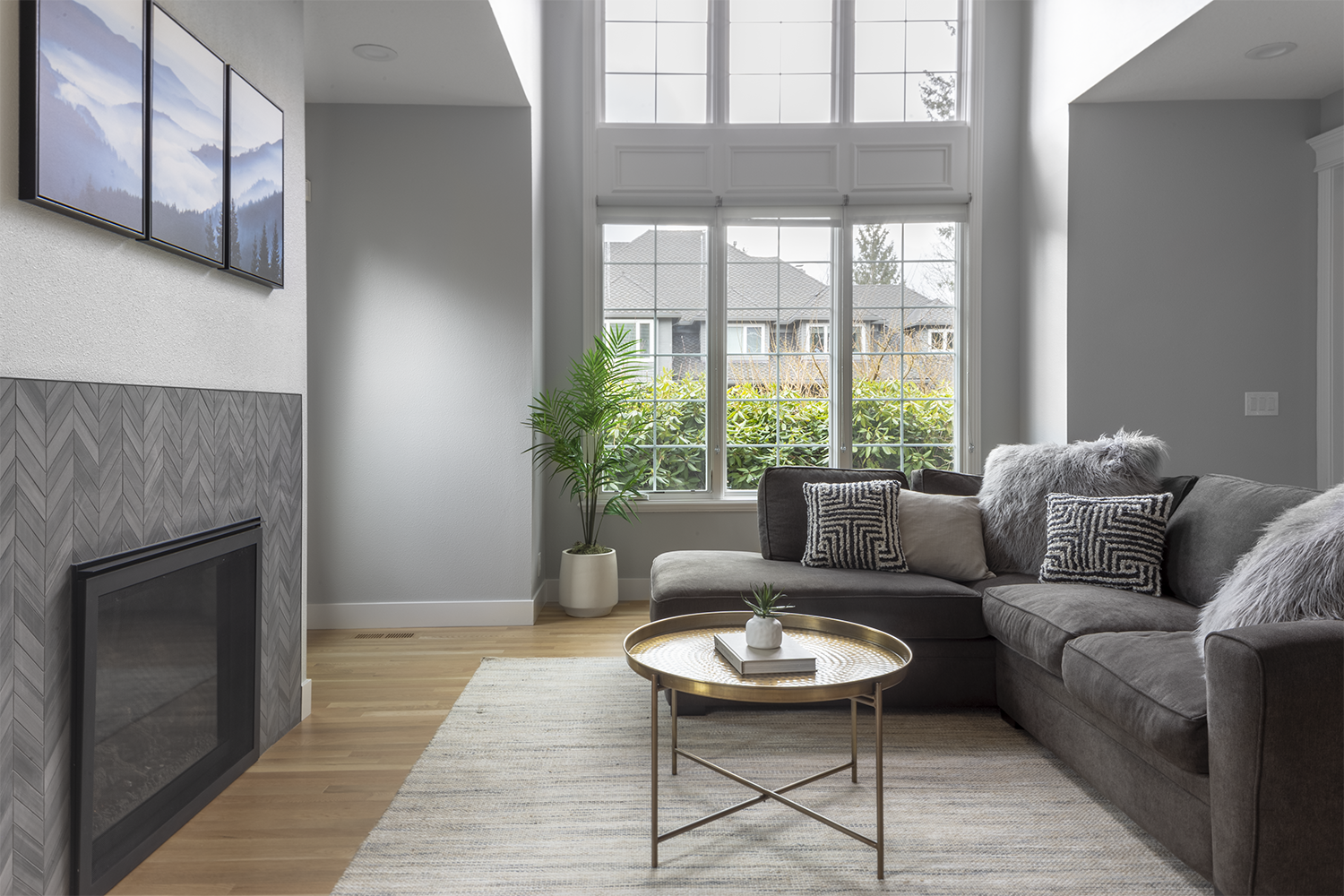
Remodeling your home is an exciting opportunity to improve how your space looks, feels, and functions. But before choosing finishes or beginning demolition, Portland homeowners should understand the local requirements, costs, design considerations, and planning involved in a successful remodel.
1. Understand Portland's Remodeling Requirements
Many remodeling projects require permits, particularly when they involve structural changes, electrical or plumbing work, additions, or significant alterations to a home's layout. Portland's Bureau of Development Services (BDS) oversees many residential permitting and code requirements.
Before beginning work, determine which permits your project may require. Addressing these requirements early can help prevent delays, unexpected costs, or complications later in the project.
2. Consider the Age and Style of Your Home
Portland has a wide variety of housing styles, from Craftsman and bungalows to mid-century homes and newer construction. The age and architectural character of your home can influence how a remodel should be approached.
Older homes may have outdated electrical, plumbing, insulation, or structural components that need attention. At the same time, preserving distinctive architectural details can help maintain the character of the home while incorporating modern conveniences.
3. Establish a Realistic Remodeling Budget
One of the most important steps before remodeling is determining how much you are comfortable investing in the project. Your budget should account for more than cabinets, countertops, flooring, and fixtures.
Consider costs such as:
Design and architectural services
Permits and fees
Demolition
Labor and materials
Plumbing and electrical work
Structural modifications
Appliances and fixtures
Unexpected conditions
Temporary living arrangements, if necessary
Having a realistic budget from the beginning allows your designer and contractor to develop a project that aligns with your priorities.
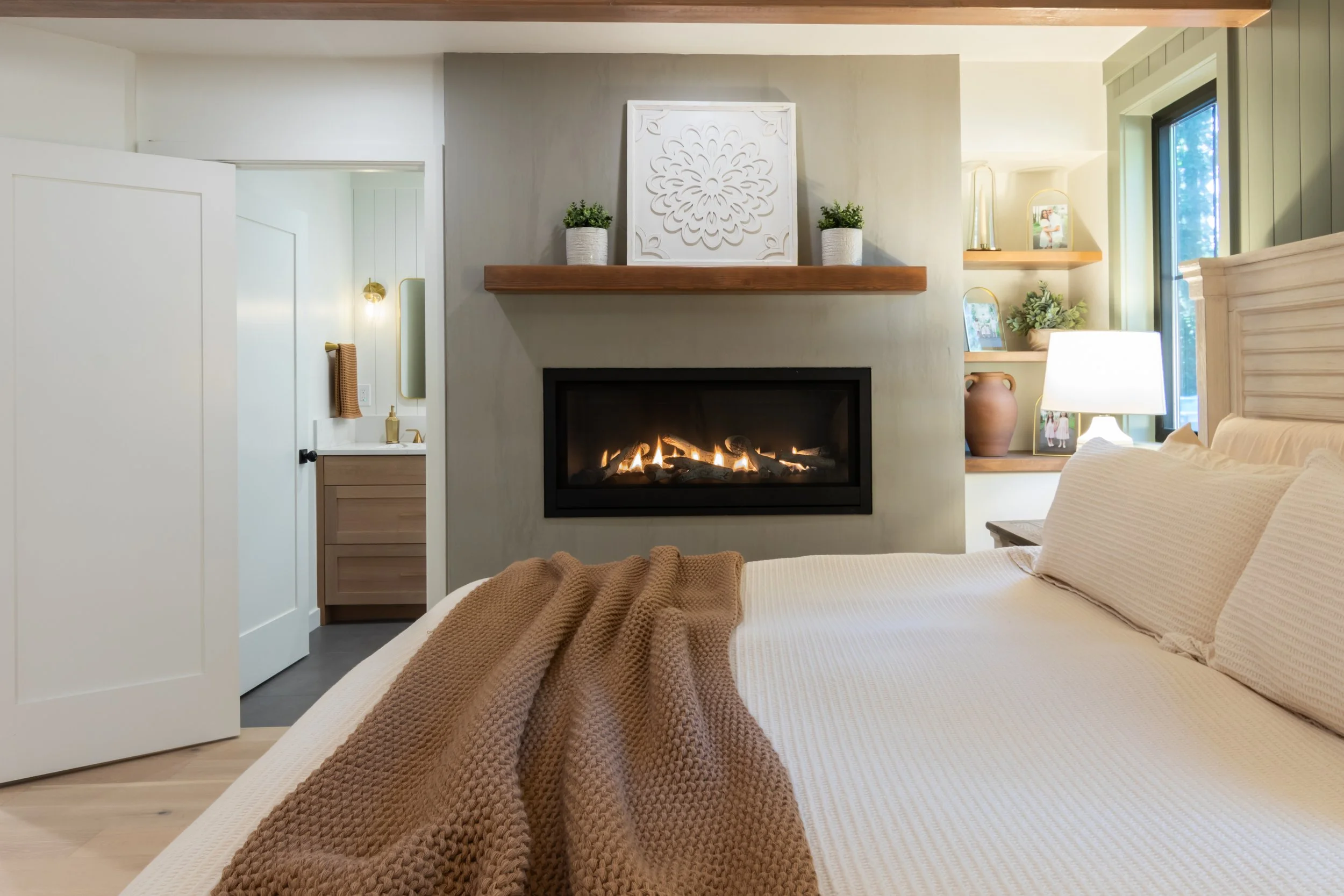
4. Think About How You Actually Use Your Home
A successful remodel isn't simply about creating a beautiful space. It should make your home work better for your everyday life.
Think about questions such as:
Do you need more storage?
Would an open kitchen make entertaining easier?
Do you need a home office?
Are you planning to accommodate a growing family?
Would improved accessibility make the home more comfortable long term?
Are there rooms that are rarely used and could serve a better purpose?
These considerations can help guide the design before aesthetic decisions are made.
5. Plan for Portland's Climate
Portland's cool, wet winters make certain remodeling decisions particularly important. Windows, insulation, ventilation, roofing, exterior materials, and moisture management can all affect the comfort and durability of your home.
When remodeling, consider improvements that can make your home more energy efficient and better protected from moisture.
6. Don't Overlook the Existing Structure
What looks like a straightforward remodel can sometimes reveal unexpected conditions once walls or ceilings are opened. Older homes in particular may contain outdated construction methods or materials that weren't visible during the initial planning process.
A thorough evaluation of the existing home can help identify potential issues before construction begins and make it easier to plan for them.
7. Choose Your Remodeling Team Carefully
The contractor you choose can have a major impact on your remodeling experience. Look for a company with experience completing projects similar to yours and a clear process for design, budgeting, scheduling, communication, and construction.
A design-build firm can be particularly useful for homeowners who want the design and construction teams working together from the beginning.
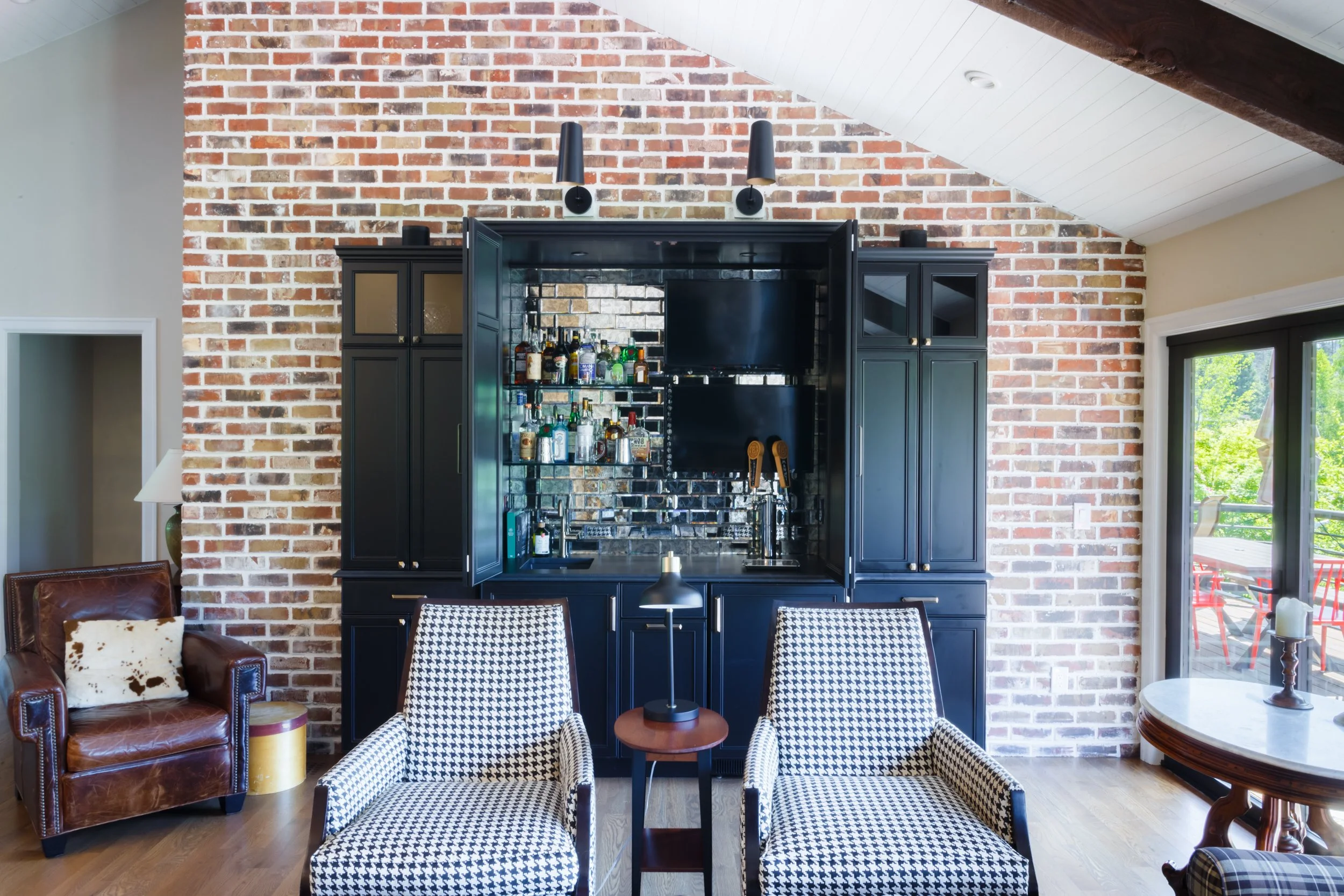
8. Expect the Design Process to Take Time
Before construction begins, there may be several rounds of design decisions involving the floor plan, materials, fixtures, finishes, lighting, cabinetry, and other details.
Taking the time to make these decisions before construction can help reduce changes and delays once work begins. Careful planning also gives your remodeling team a clearer understanding of your goals and priorities.
9. Think Beyond Current Trends
Trends can provide inspiration, but your remodel should ultimately reflect your home and your lifestyle. Consider which design choices are likely to remain appealing and functional for years to come.
Timeless materials, thoughtful layouts, quality craftsmanship, and carefully planned details can create a home that feels current without relying entirely on short-lived trends.
10. Prepare for Life During Construction
Even a well-planned remodel can temporarily disrupt your routine. Depending on the scope of the project, you may have limited access to your kitchen, bathroom, bedrooms, or other areas of your home.
Talk with your remodeling team about the anticipated construction schedule and determine how you'll handle important daily activities during the project.
A successful Portland home remodel starts well before construction begins. Understanding local requirements, establishing a realistic budget, evaluating your existing home, and carefully planning the design can help create a smoother remodeling experience.
Most importantly, focus on creating a home that works for the way you live today—and how you expect to live in the future.