
The Hidden Details That Make a Remodel Feel High-End
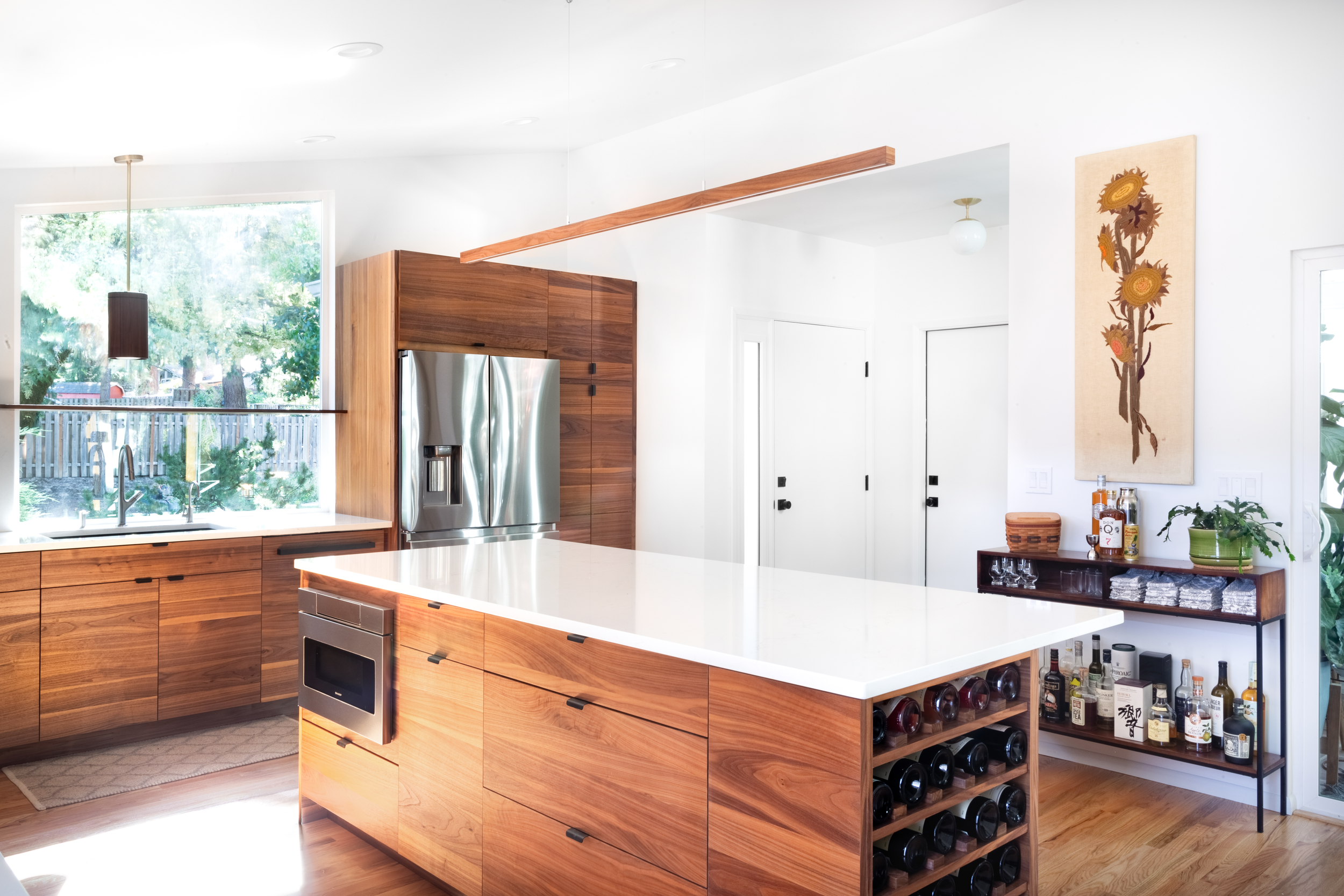
A high-end remodel isn’t defined by expensive materials alone. While beautiful cabinetry, natural stone, premium appliances, and designer fixtures certainly contribute to the finished space, the smaller, carefully planned details often make a home feel truly custom.
The best remodels feel cohesive. Materials transition naturally, architectural elements line up, lighting is thoughtfully placed, and even practical necessities are incorporated into the design rather than treated as an afterthought.
Here are some of the details that can take a remodel from simply beautiful to exceptionally well-designed.
1. Thoughtful Cabinetry Details
Custom-looking cabinetry is about much more than the cabinet style or color. Small details can dramatically change how polished a kitchen, bathroom, or built-in feels.
Consider details such as cabinetry that extends to the ceiling, finished end panels, integrated appliance panels, carefully proportioned crown molding, furniture-style details, and consistent spacing around doors and drawers.
Inside the cabinets matters, too. Deep drawers, pull-out storage, hidden charging stations, appliance garages, and customized organizers can make the space as functional as it is beautiful.
2. Carefully Planned Lighting
Lighting is one of the easiest ways to distinguish a thoughtfully designed remodel.
Rather than relying on a single fixture type, high-end spaces typically use layers of lighting. Recessed lighting can provide general illumination, while pendants and sconces add character. Under-cabinet and integrated lighting can illuminate work surfaces and architectural details.
Placement is equally important. Fixtures should relate to cabinetry, countertops, furniture, mirrors, and other room elements so everything feels intentional.
3. Clean Material Transitions
Where two materials meet may seem minor, but these transitions can have a major impact on the finished result.
Flooring transitions, countertop edges, backsplash termination points, tile edges, baseboards, cabinetry, and door casings should all be considered during the design process.
When these details are planned before construction begins, the finished space tends to feel cleaner and more cohesive.
4. Consistent Hardware and Finishes
A high-end remodel doesn't necessarily mean every metal finish needs to match. In fact, mixing metals can add depth and personality.
The key is consistency.
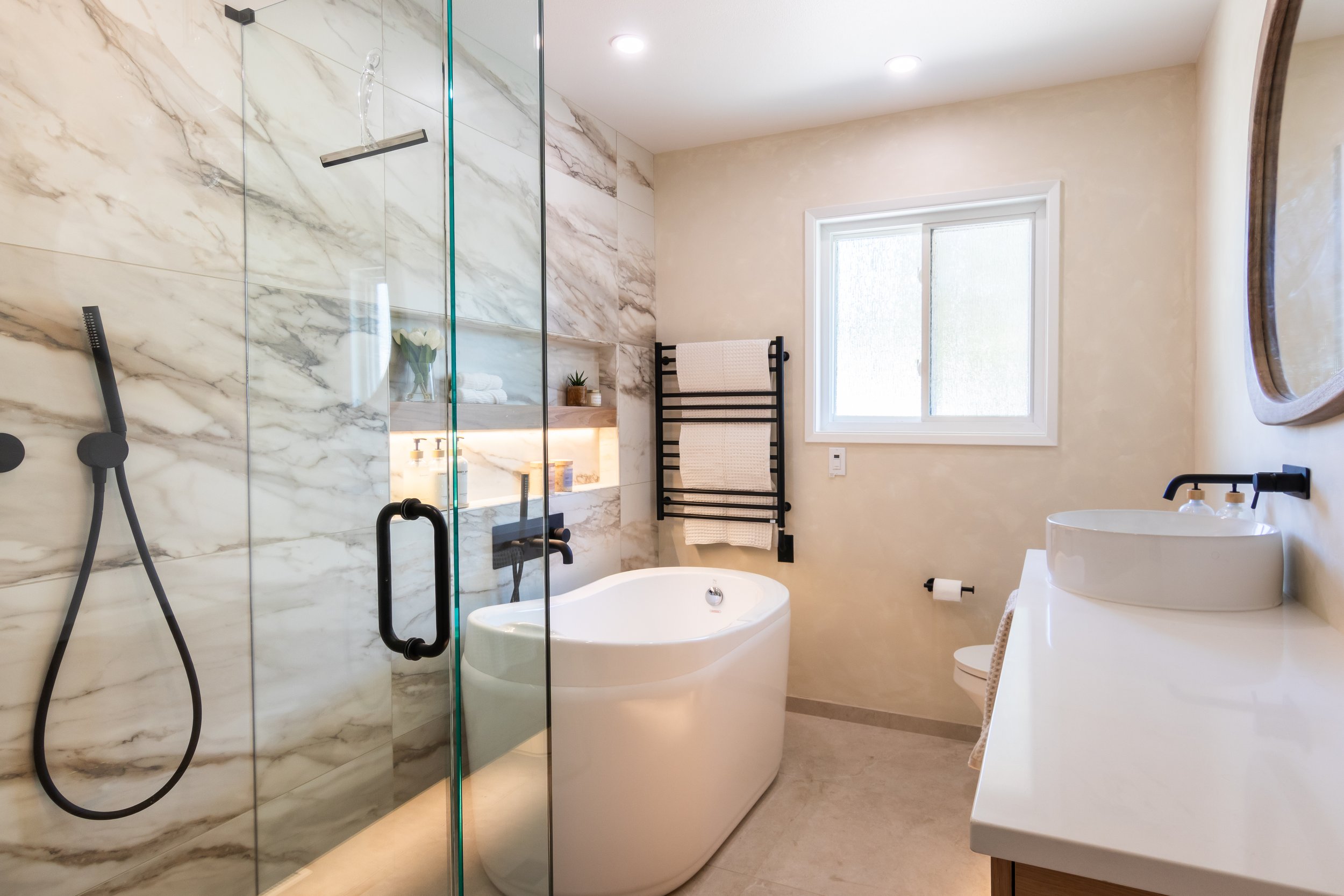
Cabinet hardware, faucets, lighting, door hardware, plumbing fixtures, and accessories should feel like they were selected as part of the same overall design. If multiple finishes are used, repeating them intentionally throughout the space helps create a cohesive look.
5. Thoughtful Outlet and Switch Placement
Electrical outlets and switches are necessities, but they don't have to become visual distractions.
During a well-planned remodel, their placement is considered alongside the rest of the design. Outlets may be incorporated beneath upper cabinets, positioned discreetly on an island, or carefully aligned with backsplash materials.
Even the color and style of outlet covers can make a difference, particularly when they are installed against distinctive tile, stone, or cabinetry.
6. Tile Layout and Grout Lines
Beautiful tile can lose some of its impact if the layout isn't carefully planned.
Before installation begins, designers and installers can consider where full tiles will appear, where cuts will occur, how grout lines align with surrounding features, and how tile will transition around niches, windows, plumbing fixtures, and corners.
In a shower, for example, aligning a niche with the surrounding tile pattern can create a much cleaner appearance than simply placing it wherever it is easiest to install.
7. Millwork and Architectural Details
Trim and millwork have a significant influence on how finished a remodeled home feels.
Baseboards, window casings, crown molding, wall paneling, built-ins, ceiling details, and interior doors can help connect newly remodeled areas with the architecture of the rest of the home.
This can be especially important when remodeling an older Portland home. New elements should feel intentional without erasing the character that made the home appealing in the first place.
8. Well-Planned Sightlines
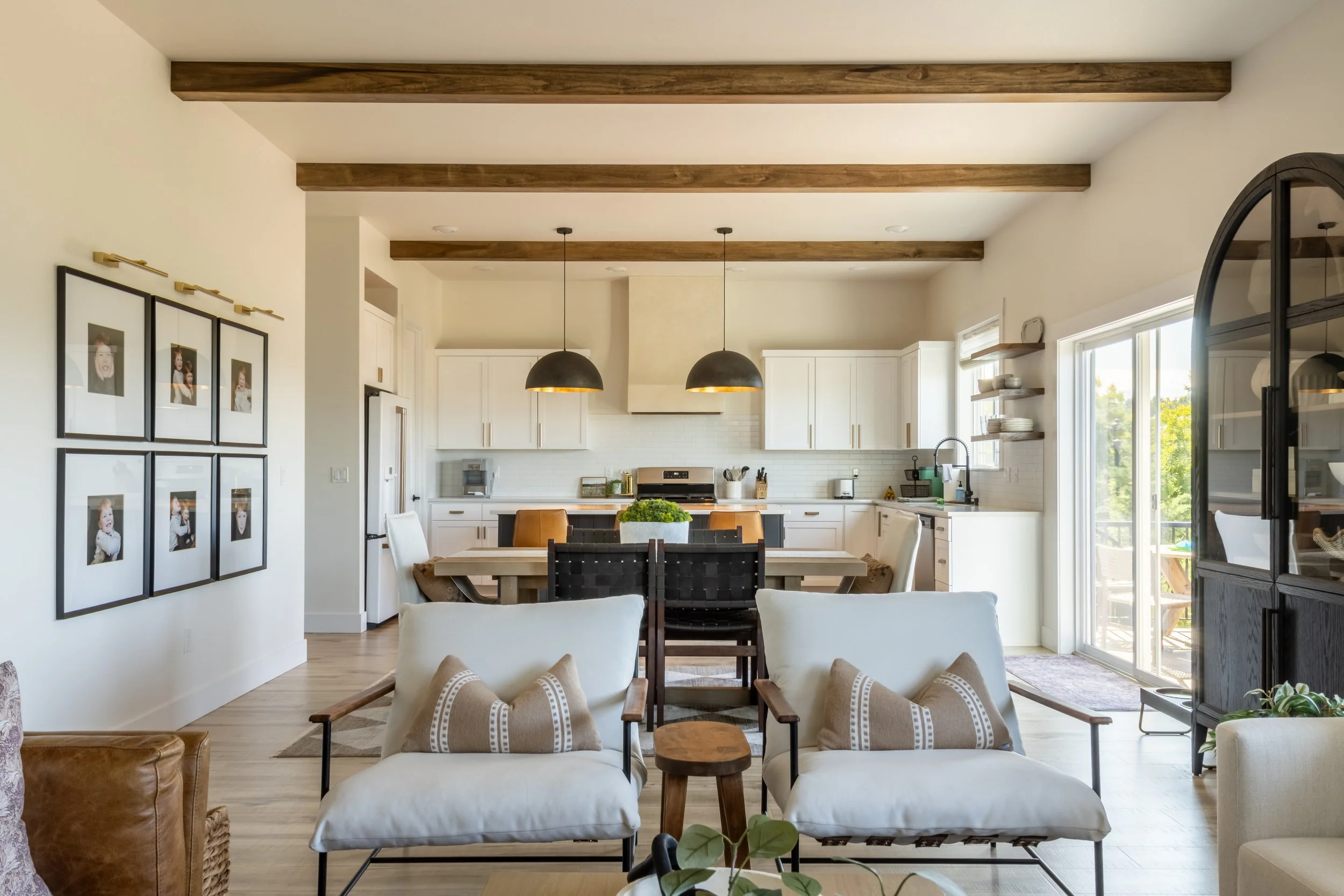
One of the less obvious aspects of good interior design is considering what you see from different areas of the home.
What catches your eye when you enter the kitchen? What can you see from the living room? Does a doorway frame an attractive architectural feature—or a refrigerator?
Thoughtful space planning considers these views early in the design process. Sometimes moving a doorway, changing the orientation of an island, or adjusting cabinetry by a relatively small amount can dramatically improve how the entire space feels.
9. Quality Installation and Craftsmanship
Even the most beautiful materials won't create a high-end result without quality installation.
Cabinet doors should align properly. Trim joints should be clean. Tile should be consistent. Countertops should fit precisely. Paint lines should be crisp.
These details may not be the first things someone notices when entering a remodeled space, but together they have a significant effect on the overall impression of quality.
10. Details Designed Around the Homeowner
Perhaps the greatest luxury in a custom remodel is having a home designed around the way you actually live.
That might mean creating a dedicated coffee station, designing kitchen storage around the appliances you use every day, incorporating a place to hide small appliances, adding a built-in bench exactly where it's needed, or designing bathroom storage around your morning routine.
These personalized decisions are what separate a thoughtfully designed home from one that simply follows the latest trends.
High-End Remodeling Is About the Entire Picture
Creating a high-end remodel isn't about adding expensive features everywhere. It's about making hundreds of small decisions work together.
From the alignment of cabinetry and tile to lighting placement, material transitions, hardware, millwork, and storage, carefully planned details create a sense of quality that can be felt throughout the finished space.
Working with an experienced design-build team allows many of these decisions to be considered before construction begins. With design, planning, craftsmanship, and project management working together, the smallest details can be refined alongside the bigger picture—creating a home that feels cohesive, functional, and distinctly yours.