
10 Home Remodeling Mistakes to Avoid
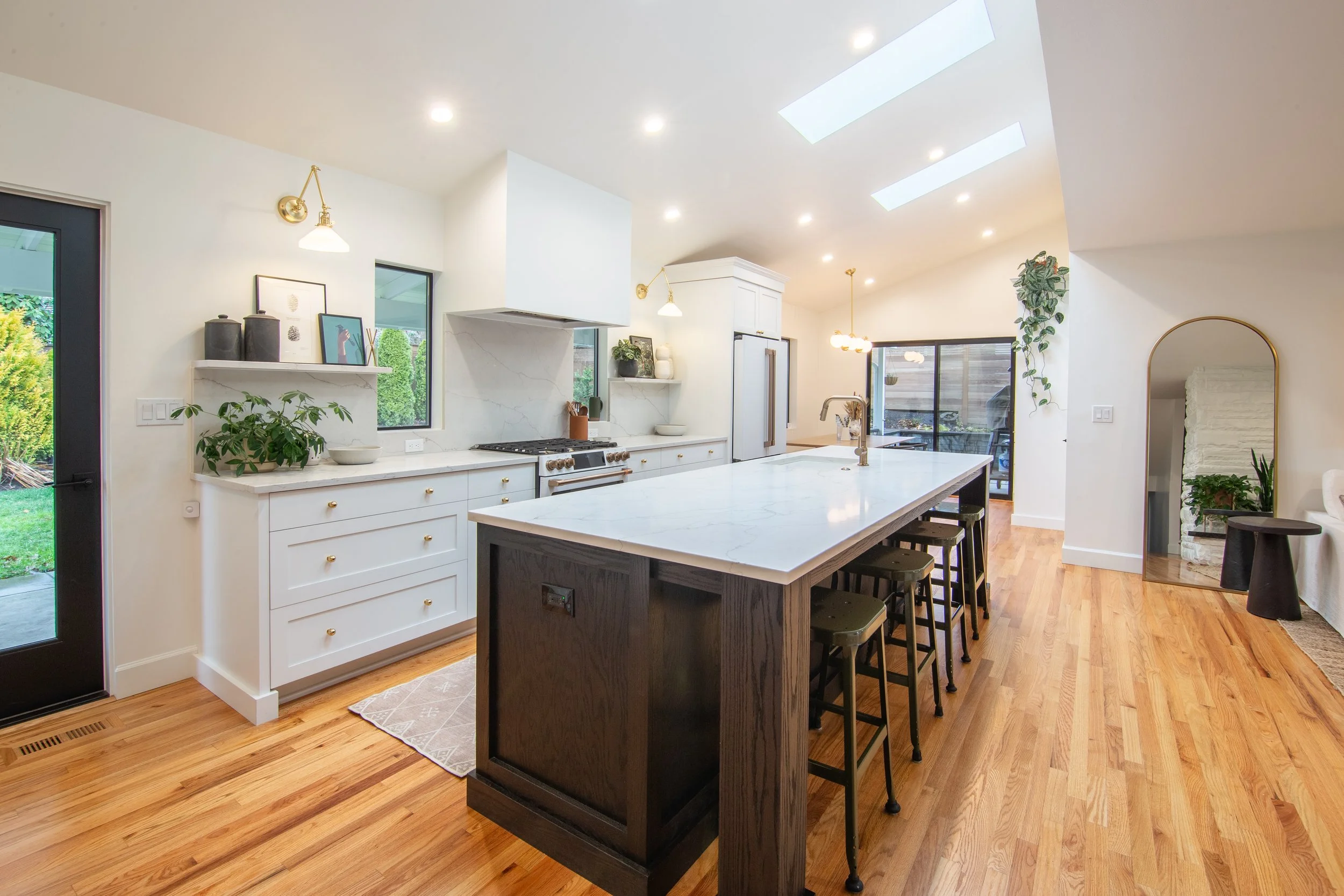
A home remodel can dramatically improve your lifestyle, comfort, and property value, but the wrong decisions can also lead to stress, delays, and costly regrets. Most remodeling problems are preventable with better planning, realistic expectations, and the right team. Here are the most common home remodeling mistakes homeowners make and how to avoid them.
1. Starting Without a Realistic Budget
One of the biggest mistakes is underestimating the true cost of remodeling.
Many homeowners focus only on:
Materials
Contractor bids
But forget:
Permits
Design fees
Structural work
Temporary living expenses
Contingency costs
Better Approach
Plan for:
A detailed project budget
A contingency reserve of 10–20%
Material price fluctuations
Hidden conditions in older homes
In Portland-area homes, especially, surprises behind walls are common.
2. Choosing the Cheapest Contractor
The lowest bid often becomes the most expensive project later.
Low bids may exclude:
Project management
Quality materials
Proper supervision
Permit handling
Cleanup
Important scope items
This can lead to:
Delays
Change orders
Poor workmanship
Better Approach
Evaluate:
Communication
Experience
Process
References
Detailed scope clarity
3. Prioritizing Trends Over Timeless Design
Ultra-trendy remodels can age quickly.
Examples:
Overly bold tile patterns
Excessive open shelving
Highly specific color schemes
Trend-heavy finishes
Better Approach
Keep permanent elements more timeless:
Cabinetry
Flooring
Layout
Major surfaces
Use trends in easier-to-change items:
Paint
Lighting
Decor
Hardware
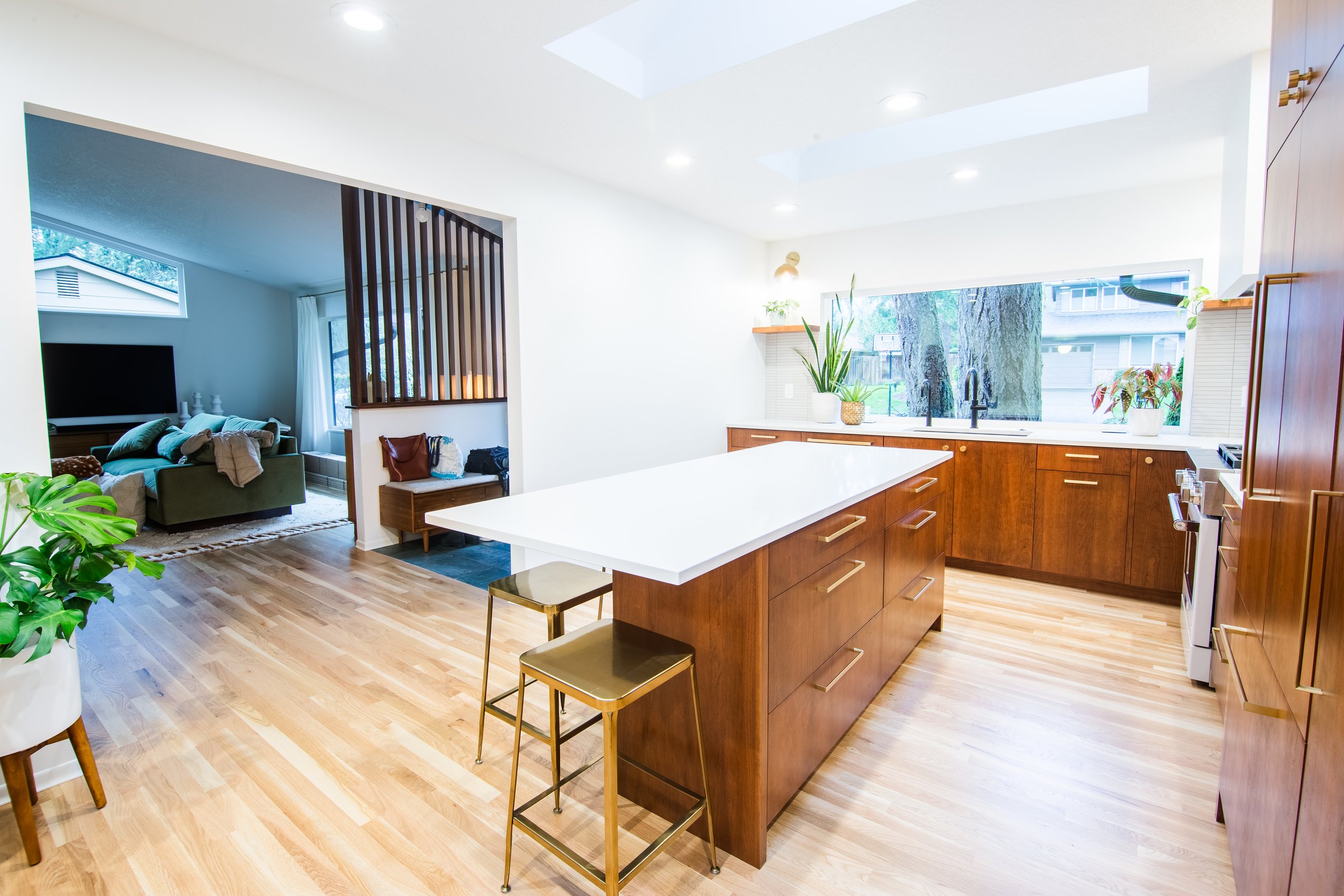
4. Ignoring Functionality
Some homeowners design spaces that photograph beautifully but function poorly in real life.
Common mistakes:
Insufficient storage
Poor kitchen workflow
Not enough outlets
Bad lighting placement
Tiny walkways
Awkward furniture layouts
Better Approach
Design around:
Daily routines
Storage needs
Traffic flow
Long-term livability
Function should always come before aesthetics.
5. Underestimating the Timeline
Remodeling almost always takes longer than homeowners expect.
Delays commonly come from:
Permits
Material lead times
Inspections
Change orders
Weather
Hidden structural issues
Better Approach
Build flexibility into your expectations and schedule. Especially after 2020, lead times for cabinets, windows, and appliances remain unpredictable.
6. Making Too Many Changes Mid-Project
Frequent design changes during construction create:
Budget overruns
Delays
Rework
Contractor frustration
Even “small” changes can have cascading impacts.
Better Approach
Finalize before construction begins whenever possible:
Layouts
Selections
Fixtures
Finishes
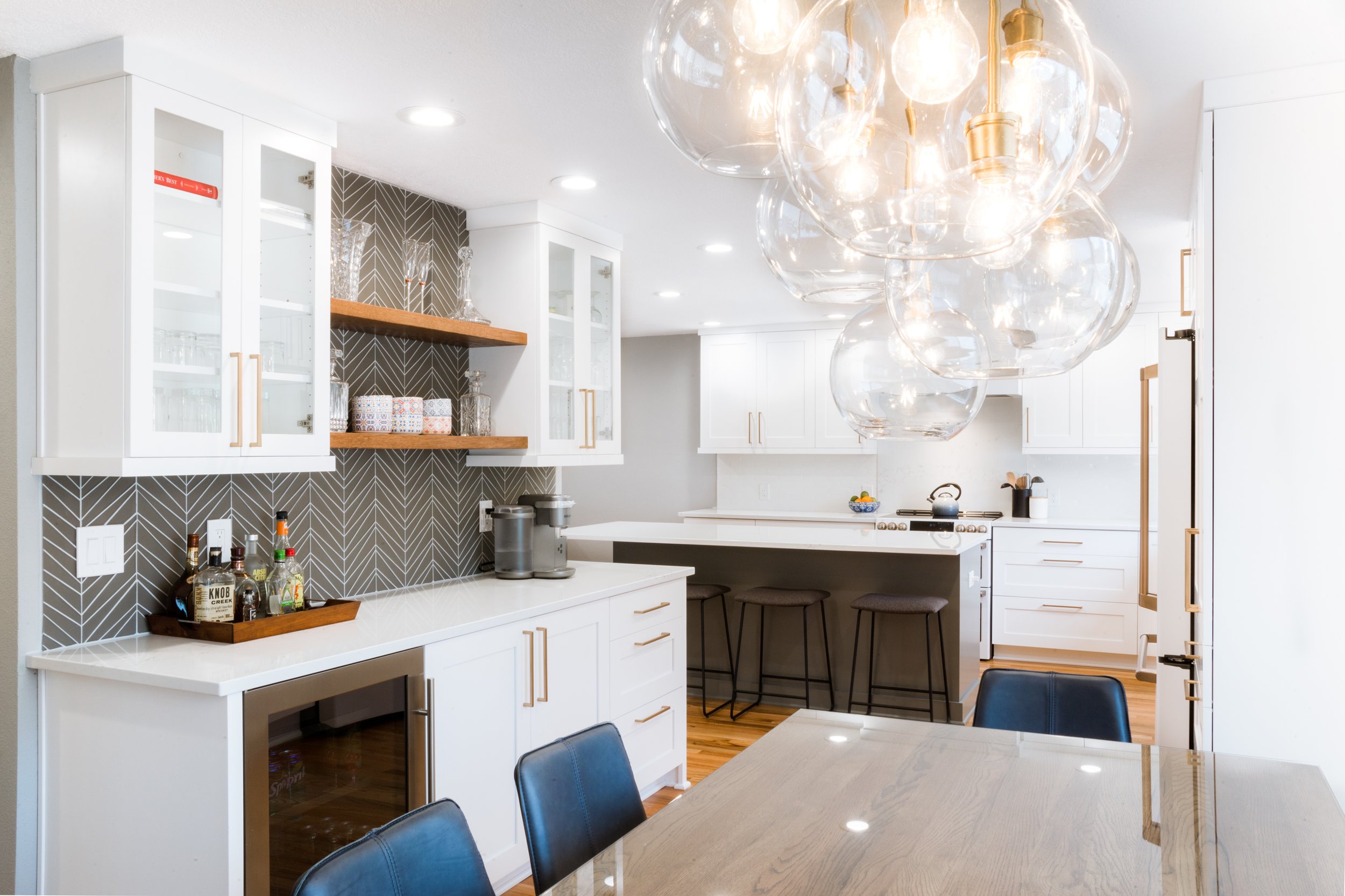
7. Skipping Proper Planning & Design
Some homeowners rush into demolition before fully planning the remodel.
This often leads to:
Costly redesigns
Poor space planning
Mismatched finishes
Structural surprises
Better Approach
Invest heavily in pre-construction planning.
Good design work often saves substantial money later.
8. Forgetting About Lighting
Lighting is one of the most overlooked parts of remodeling. Poor lighting can ruin even expensive spaces.
Common mistakes:
Relying only on recessed lights
Insufficient task lighting
Ignoring natural light
Poor dimmer planning
Better Approach
Use layered lighting:
Ambient lighting
Task lighting
Accent lighting
Decorative lighting
In Portland’s darker winters, lighting design matters even more.
9. Neglecting Storage
Beautiful minimalist spaces can become frustrating if storage is insufficient.
Common regrets:
Tiny pantries
Lack of linen storage
Not enough drawers
Missing mudroom organization
Better Approach
Plan storage intentionally early in design. Good hidden storage dramatically improves everyday living.
10. Remodeling Only for Resale
Some homeowners remodel exclusively for future buyers rather than to improve their own quality of life. While resale matters, overly generic remodeling can feel uninspired.
Better Approach
Balance:
Personal enjoyment
Long-term functionality
Broad market appeal
The best remodels support both lifestyle and value.
Successful remodels come from thoughtful planning, realistic budgeting, durable design choices, and the right professional team. A well-planned remodel should not only look beautiful but also make everyday living noticeably better for years to come.