
How to Plan a Sustainable Home Remodeling Project
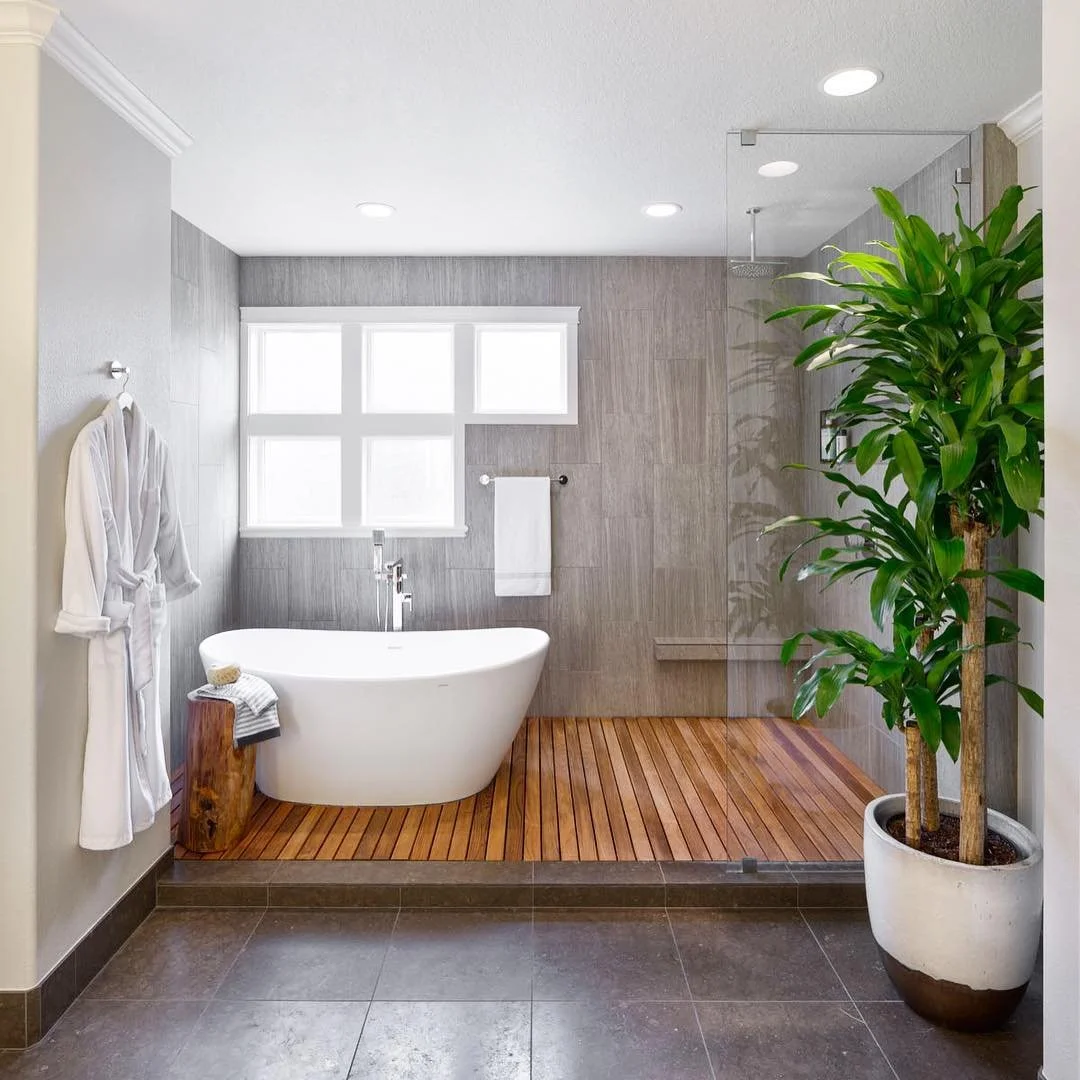
Planning a sustainable home remodeling project is a smart way to improve your home while reducing environmental impact, lowering long-term costs, and increasing overall comfort. Here’s a clear, practical guide to help you plan a remodel that’s both eco-friendly and high-performing.
1. Start with Clear Sustainability Goals
Before choosing materials or designs, define what sustainability means for your project.
Common goals include:
Improving energy efficiency
Reducing water usage
Using healthier, low-toxicity materials
Minimizing construction waste
Increasing long-term durability
Prioritize the goals that matter most to your lifestyle and budget.
2. Assess Your Home’s Current Performance
An energy or home performance assessment can identify where your home is losing energy or water.
Key areas to evaluate:
Insulation and air sealing
Windows and doors
HVAC efficiency
Lighting and appliance energy use
Water fixtures and plumbing
This assessment helps you invest in areas where upgrades will have the greatest impact.
3. Design for Efficiency First
The most sustainable upgrades often come from smart design choices, not just eco products.
Consider:
Improving natural daylight to reduce lighting needs
Reworking layouts to improve airflow and comfort
Adding insulation before upgrading mechanical systems
Designing spaces that adapt to future needs, reducing future renovations
Efficiency-focused design reduces energy demand before adding new systems.
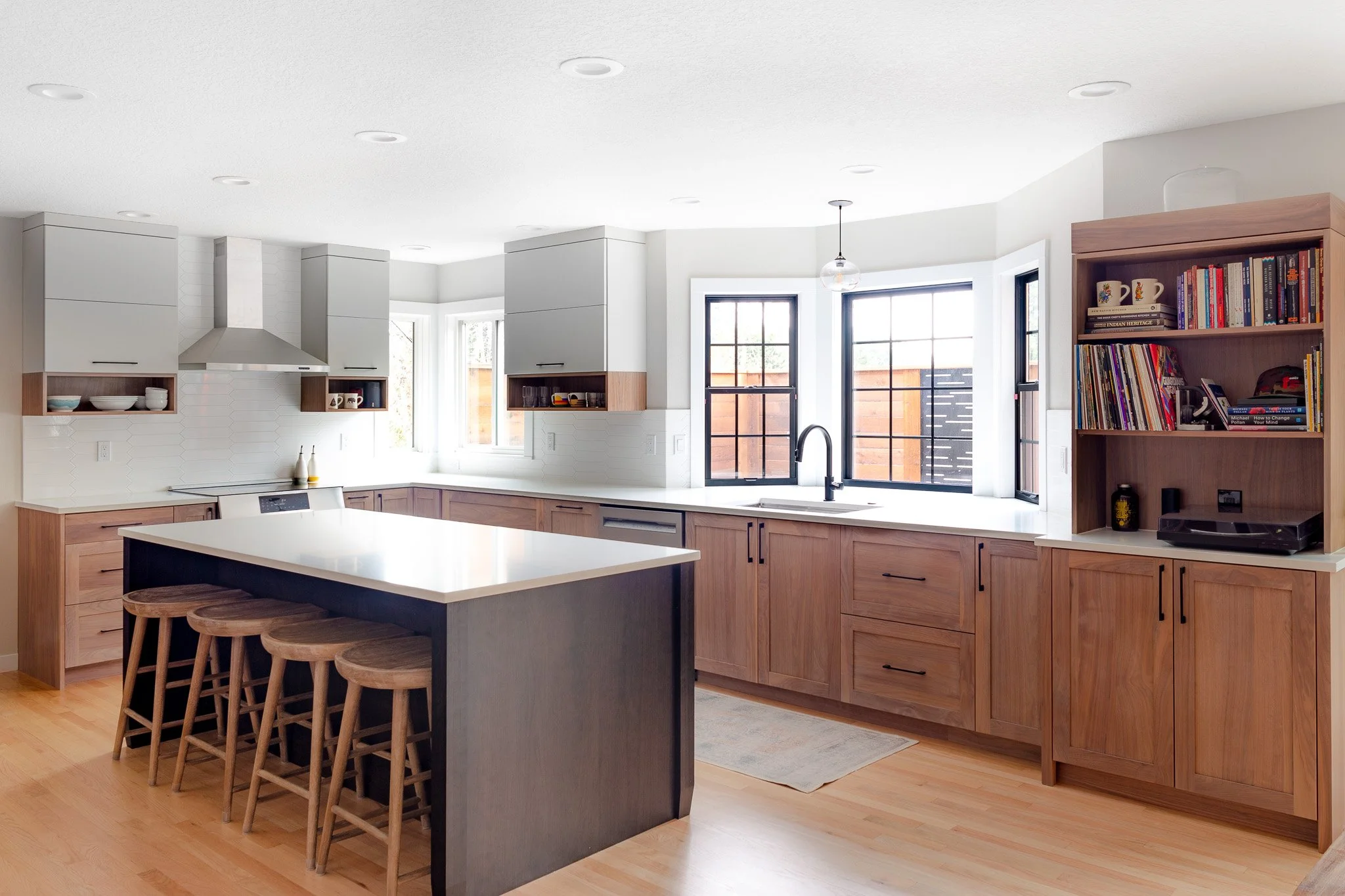
4. Choose Sustainable Materials Wisely
Look for materials that are durable, responsibly sourced, and low in harmful emissions.
Eco-friendly options include:
FSC-certified or reclaimed wood
Recycled or low-VOC flooring and finishes
Quartz, recycled glass, or responsibly sourced stone surfaces
Low-VOC paints, adhesives, and sealants
Durability matters—materials that last longer reduce replacement waste.
5. Upgrade to Energy-Efficient Systems
Mechanical and electrical upgrades often deliver the biggest sustainability gains.
High-impact upgrades include:
ENERGY STAR® appliances
High-efficiency HVAC systems or heat pumps
Smart thermostats and lighting controls
LED lighting throughout the home
These improvements reduce energy use and operating costs year after year.
6. Reduce Water Consumption
Water-efficient upgrades are easy to integrate during a remodel.
Smart choices include:
Low-flow toilets, faucets, and showerheads
Water-efficient dishwashers and washing machines
Leak detection systems
Drought-tolerant landscaping
Lower water usage benefits both the environment and utility bills.
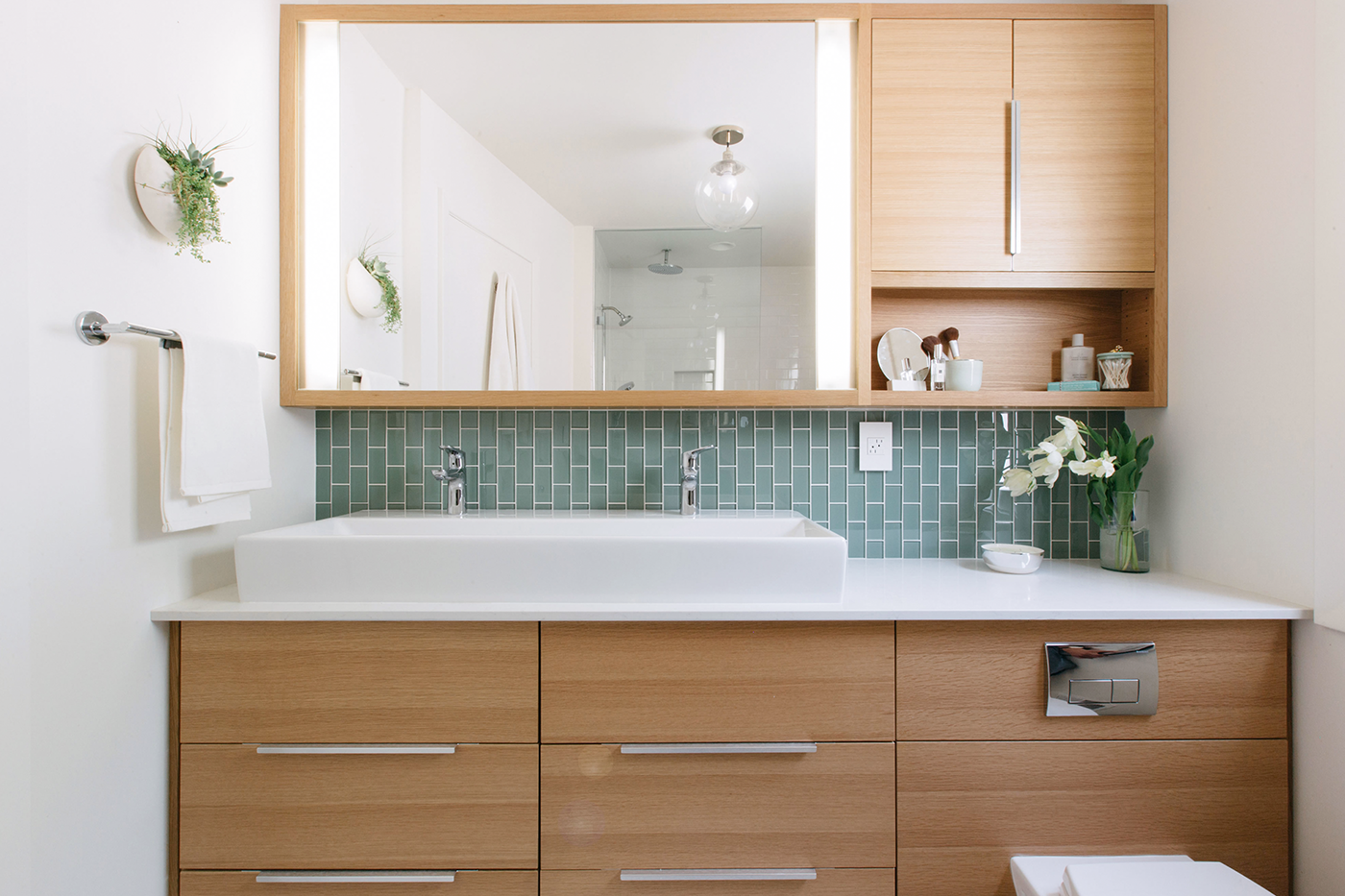
7. Plan for Waste Reduction and Recycling
Construction waste is a major sustainability challenge—planning ahead makes a big difference.
Strategies include:
Reusing existing cabinets, doors, or fixtures when possible
Donating usable materials
Recycling drywall, metal, and wood scraps
Ordering materials carefully to avoid excess waste
A responsible contractor can help manage waste diversion effectively.
8. Balance Upfront Cost with Long-Term Value
Sustainable remodeling is an investment. While some upgrades cost more initially, they often pay off through:
Lower energy and water bills
Reduced maintenance and replacement
Improved indoor air quality
Higher resale value
Focus on life-cycle cost rather than just upfront price.
9. Work with a Sustainability-Minded Remodeler
Choose a remodeling professional who understands green building practices and can guide product and system selections.
Ask about:
Experience with energy-efficient upgrades
Material sourcing and waste reduction practices
Knowledge of local energy codes or incentive programs
The right team ensures sustainability goals are implemented correctly.
A sustainable home remodel doesn’t require sacrificing style or comfort. With thoughtful planning, efficient design, and durable materials, you can create a healthier home that performs better now and well into the future.