
7 Signs Your Home Needs More Than a Cosmetic Update
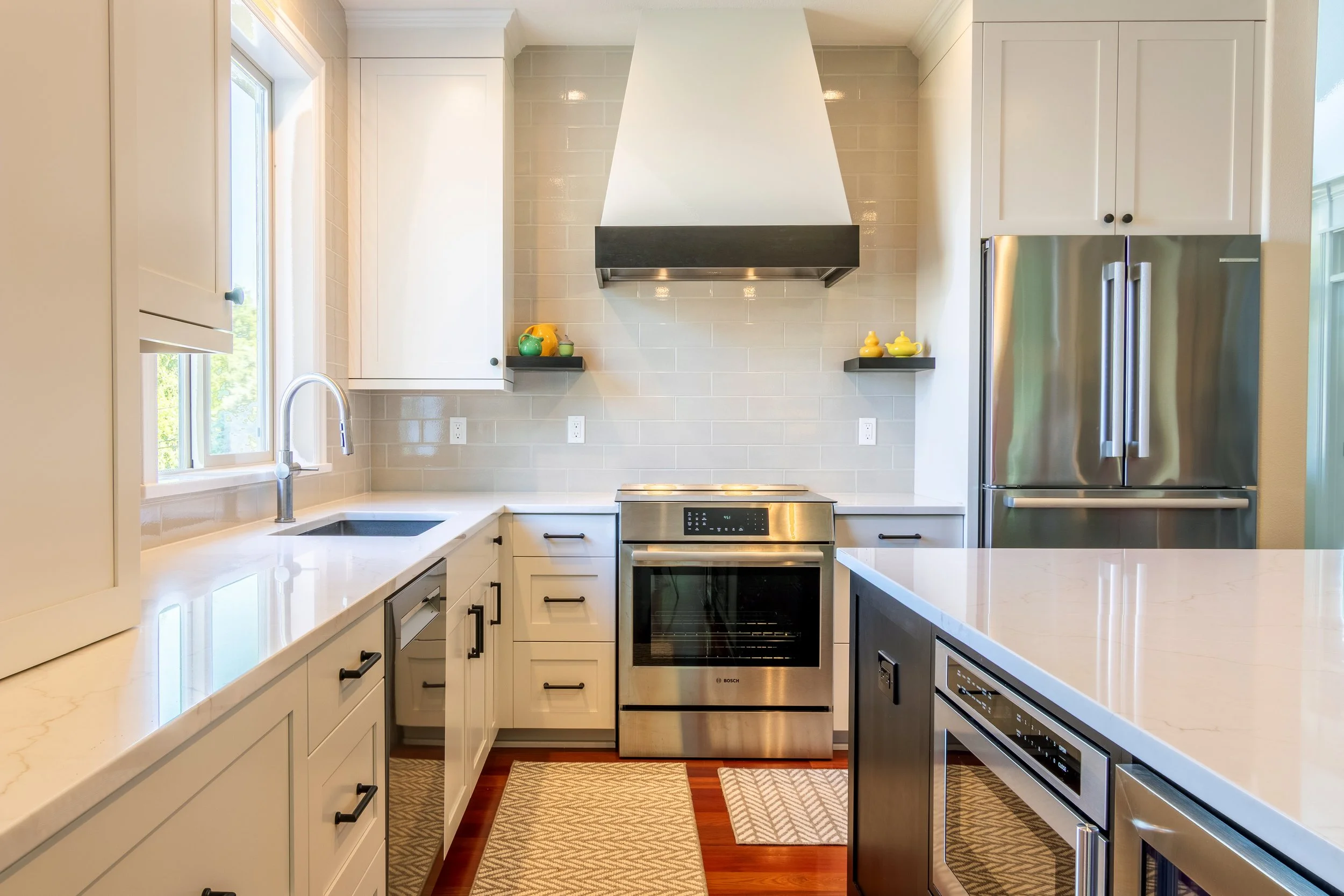
A fresh coat of paint, new light fixtures, or updated hardware can make a noticeable difference in your home. But sometimes cosmetic improvements only cover up larger problems with the way a space looks, functions, or performs.
If you find yourself continually updating your home without ever feeling satisfied with the result, it may be time to consider something more substantial. A thoughtfully planned remodel can address the underlying issues rather than simply changing what you see on the surface.
Here are seven signs your home may need more than a cosmetic update.
1. Your Layout Doesn't Work for Your Lifestyle
You can install beautiful countertops and new cabinets, but they won't solve a poorly designed kitchen layout. The same is true throughout your home.
Maybe your kitchen feels disconnected from your living areas, your bathroom is cramped, or rooms aren't being used because they don't fit your family's needs.
When the layout itself is creating problems, remodeling gives you an opportunity to reconsider how the space is organized and create a home designed around the way you actually live.
2. You're Always Looking for More Storage
If countertops are constantly cluttered, closets are overflowing, or everyday items don't have a designated place, the problem may be more than organization.
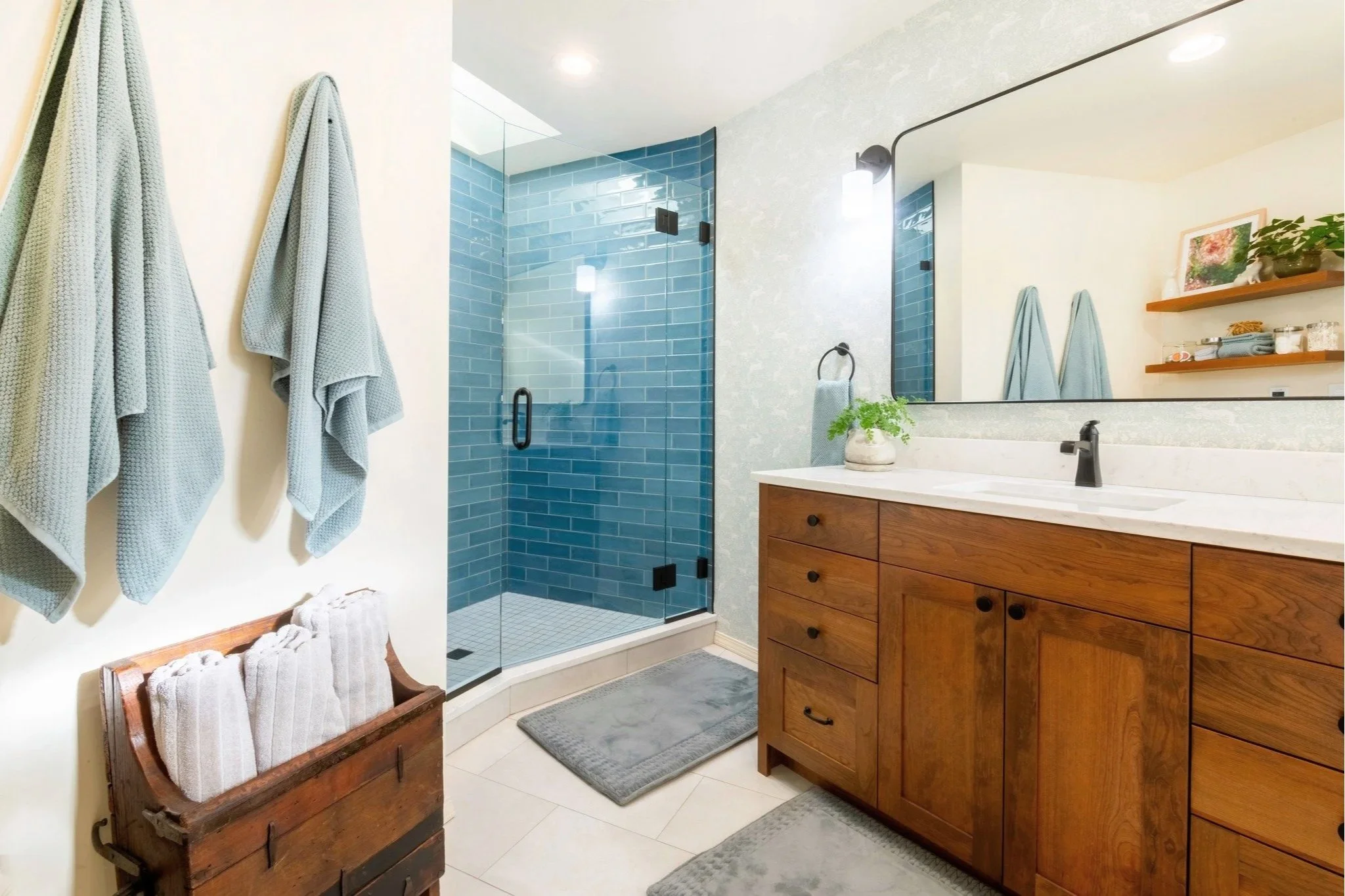
Older homes in particular weren't always designed around today's storage needs. A remodel can incorporate storage into the architecture of the space with custom cabinetry, built-ins, larger closets, pantry storage, bathroom vanities, and other carefully planned solutions.
Good storage should feel like part of the design—not something added as an afterthought.
3. Your Kitchen Looks Better but Still Doesn't Function Better
It's possible to give a kitchen a cosmetic makeover and still have many of the same frustrations afterward.
Insufficient counter space, poor lighting, inadequate storage, awkward appliance placement, and limited seating aren't problems that new cabinet colors or hardware can necessarily solve.
A full kitchen remodel allows you to look at the entire space, from traffic flow and work zones to lighting, cabinetry, appliances, and storage. The result can be a kitchen that's not only beautiful but significantly easier to use.
4. Your Home Feels Choppy or Disconnected
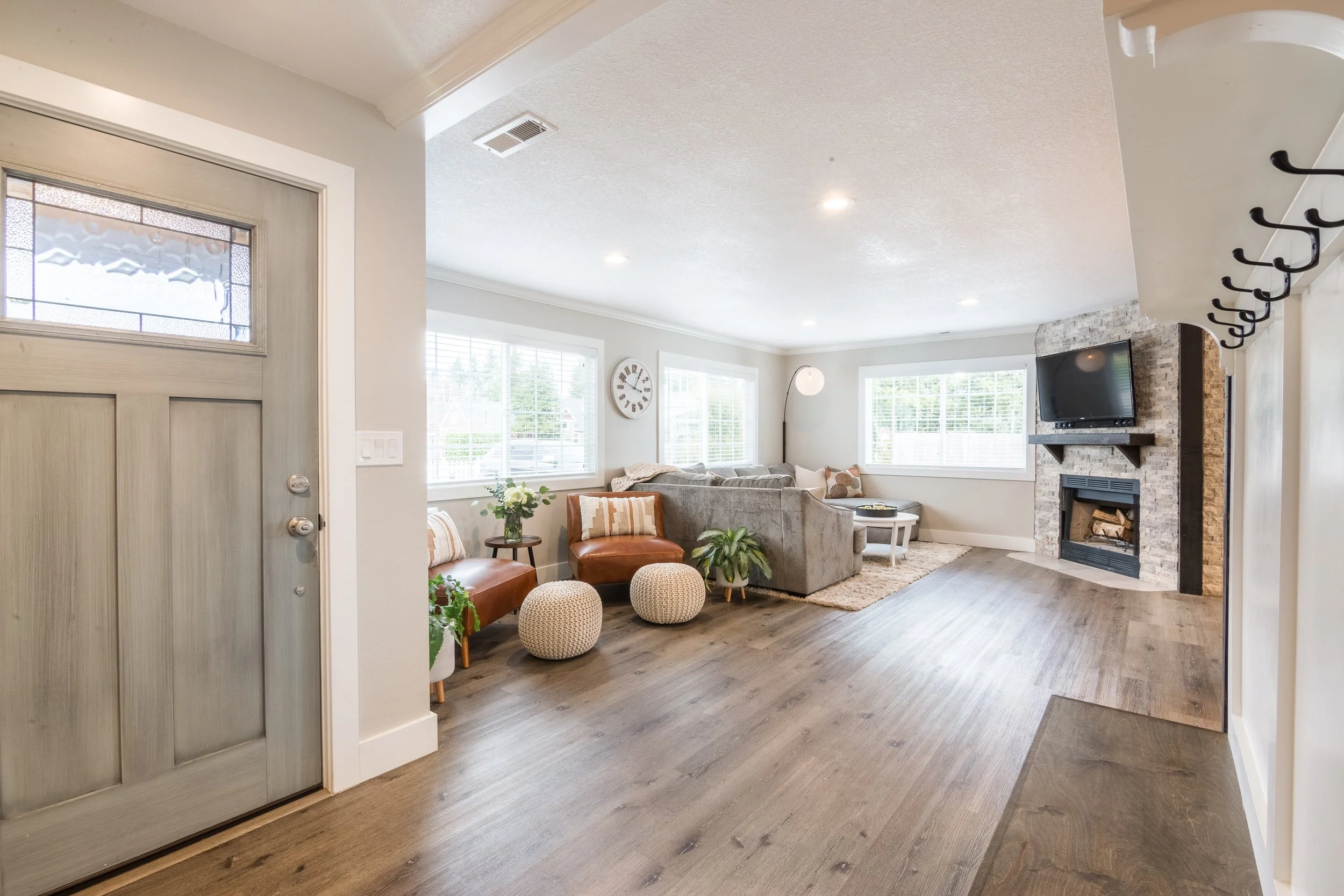
Many older homes were designed with smaller, separate rooms. While defined spaces can have advantages, some floor plans can feel dark, confined, or disconnected from the way homeowners want to live today.
Removing or relocating walls, widening openings, improving sightlines, and reconsidering how rooms relate to one another can create a more natural flow.
This doesn't necessarily mean creating one enormous open room. Thoughtful remodeling is about finding the right balance between openness, function, and definition.
5. You're Running Out of Usable Space
When a home starts feeling too small, moving isn't the only option.
An addition, basement conversion, ADU, garage conversion, or reconfigured floor plan may provide the additional space you need. Even within the existing footprint, there may be opportunities to turn underused areas into functional living space.
The key is determining whether you truly need more square footage or simply need to make better use of the space you already have.
6. You're Dealing With Aging Systems or Recurring Problems
Repeated repairs can be a sign that it's time to look beyond cosmetic improvements.
Aging plumbing or electrical systems, moisture issues, deteriorating materials, inadequate ventilation, damaged flooring, or other persistent problems may need to be addressed as part of a larger renovation.
One advantage of a comprehensive remodel is the opportunity to evaluate what's happening behind the finishes. Addressing underlying conditions while the space is already under construction can help create a better long-term result.
7. You Love Your Location, but Not Your House
You may love your neighborhood, yard, schools, commute, or community while feeling increasingly frustrated with your home.
In that situation, remodeling can provide an alternative to moving.
A whole-home renovation, addition, redesigned kitchen, new primary suite, or improved floor plan can allow you to keep what you love about your location while changing the things about your home that no longer work.
Cosmetic Update or Full Remodel?
The right answer depends on what you're trying to accomplish.
If your home functions well and you're simply tired of the finishes, cosmetic updates may be all you need. But if you're dealing with poor layouts, insufficient storage, inadequate space, aging systems, or rooms that don't support your lifestyle, changing finishes alone probably won't solve the problem.
Before deciding what to update, think about why you're unhappy with the space. Identifying the underlying problem can help you determine whether you need a simple refresh or a more comprehensive remodeling plan.
For Portland homeowners, this can be especially important with older homes where previous renovations, original construction, structural considerations, and permitting requirements can influence what's possible.
A thoughtful design-build process looks beyond finishes to consider layout, function, materials, construction, and carefully planned details together. The goal isn't simply to make your home look different—it's to create a home that works better for the way you live.